Custom sports bras engineered band-first, because support is set before the first strap is drawn.
Bring the band complaints from your reviews and the impact level you sell at — a fit engineer locks underband tension and cup construction before any pattern is drafted.
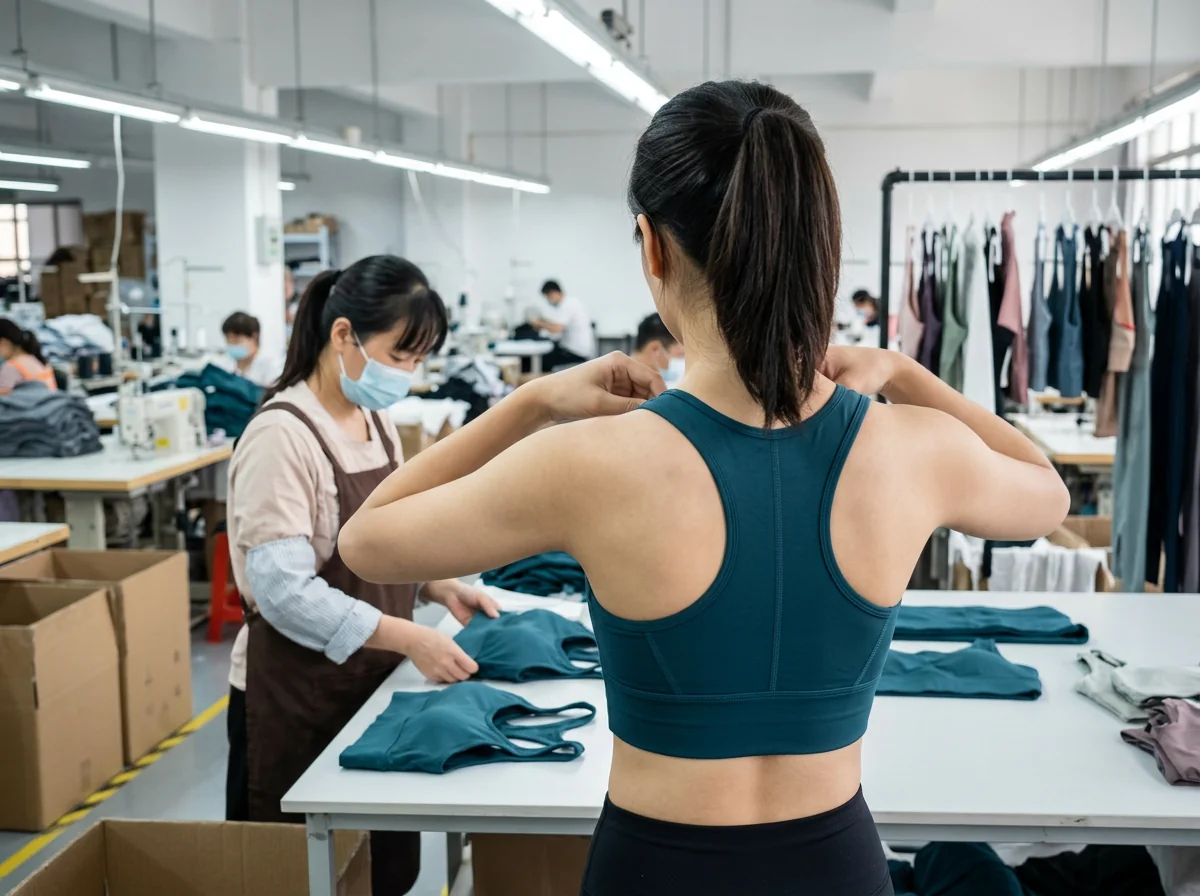
Your sample does not ship until these checks clear.
Sports bra returns trace back to three root causes — impact mismatch, cup selection error, and sizing chart drift; every item below directly addresses one of those failure modes. Our broader range of custom activewear manufacturer work follows the same protocol.
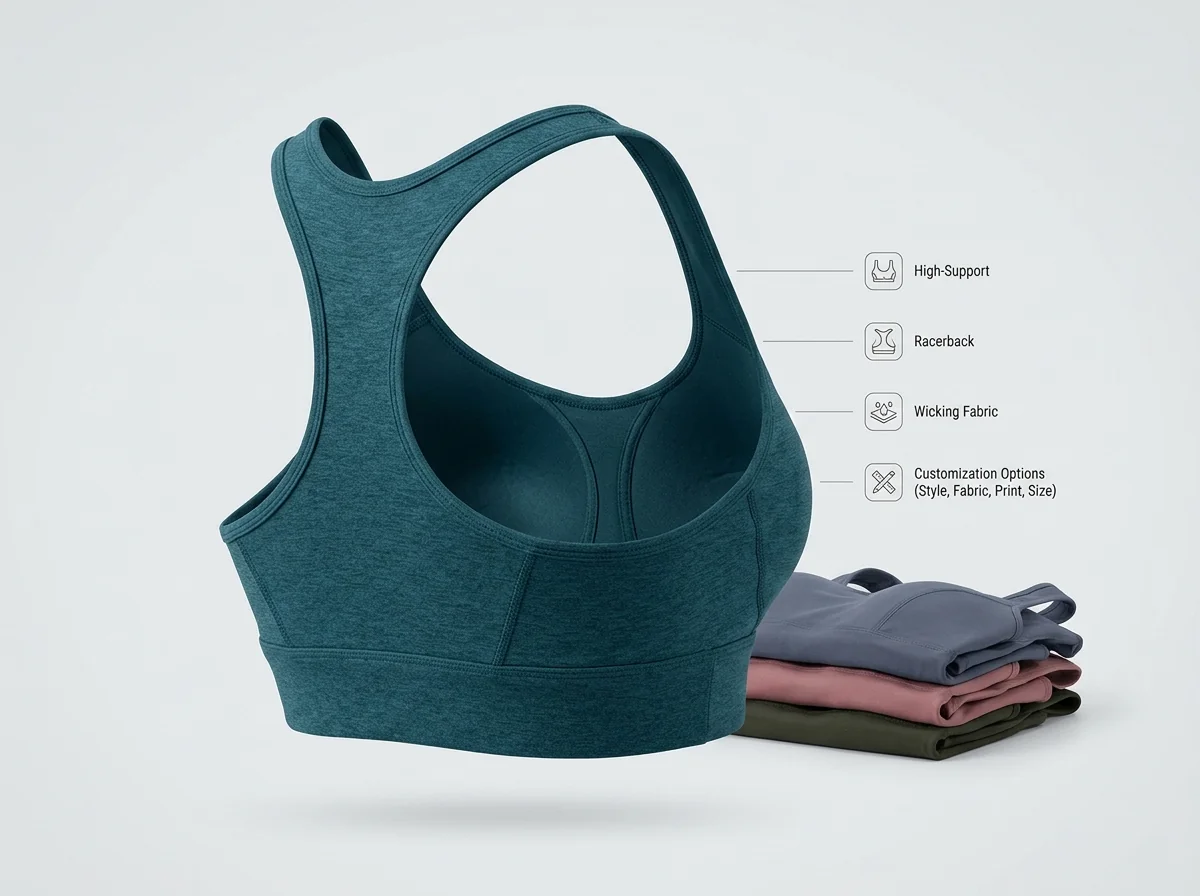
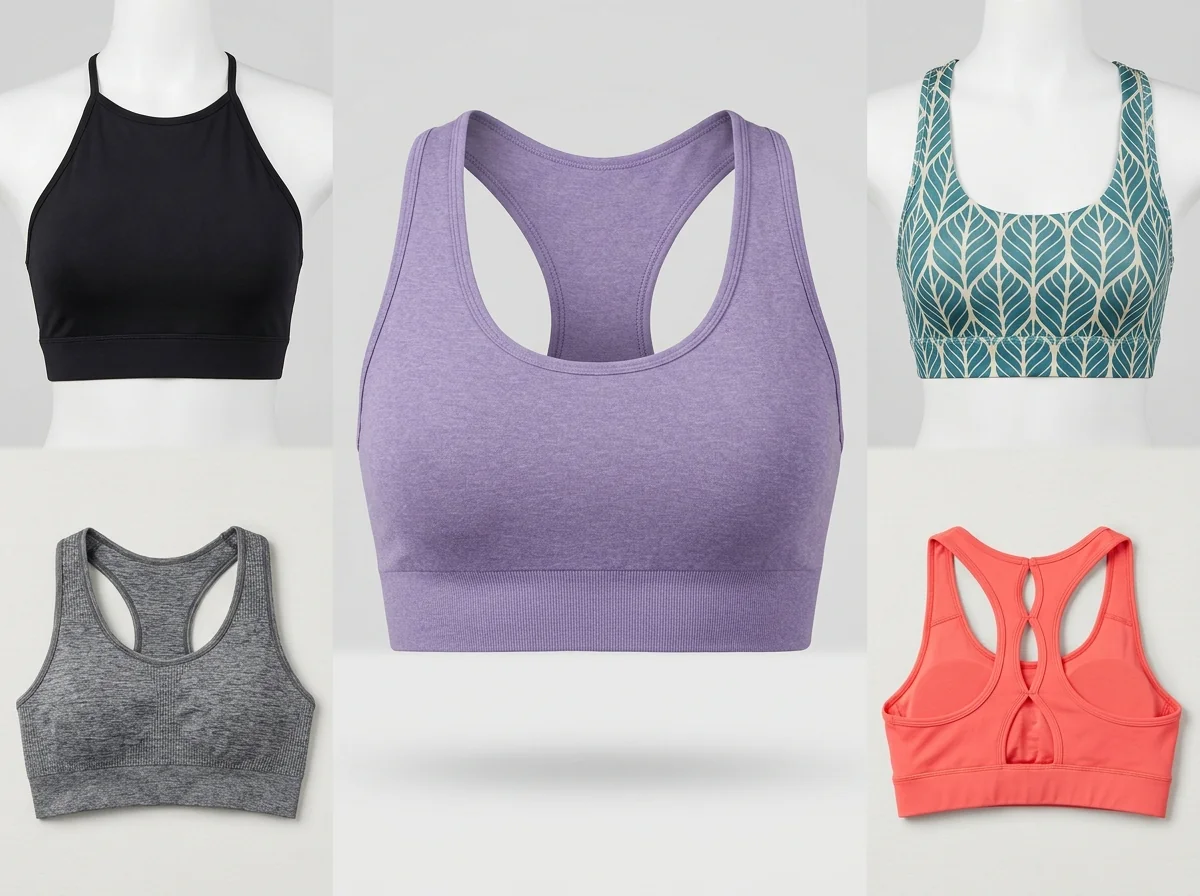
Your silhouette call, from longline to high-impact racerback.
Each silhouette targets a distinct activity profile and retail channel — choosing the wrong base style is the single fastest way to generate one-star reviews about “support.”
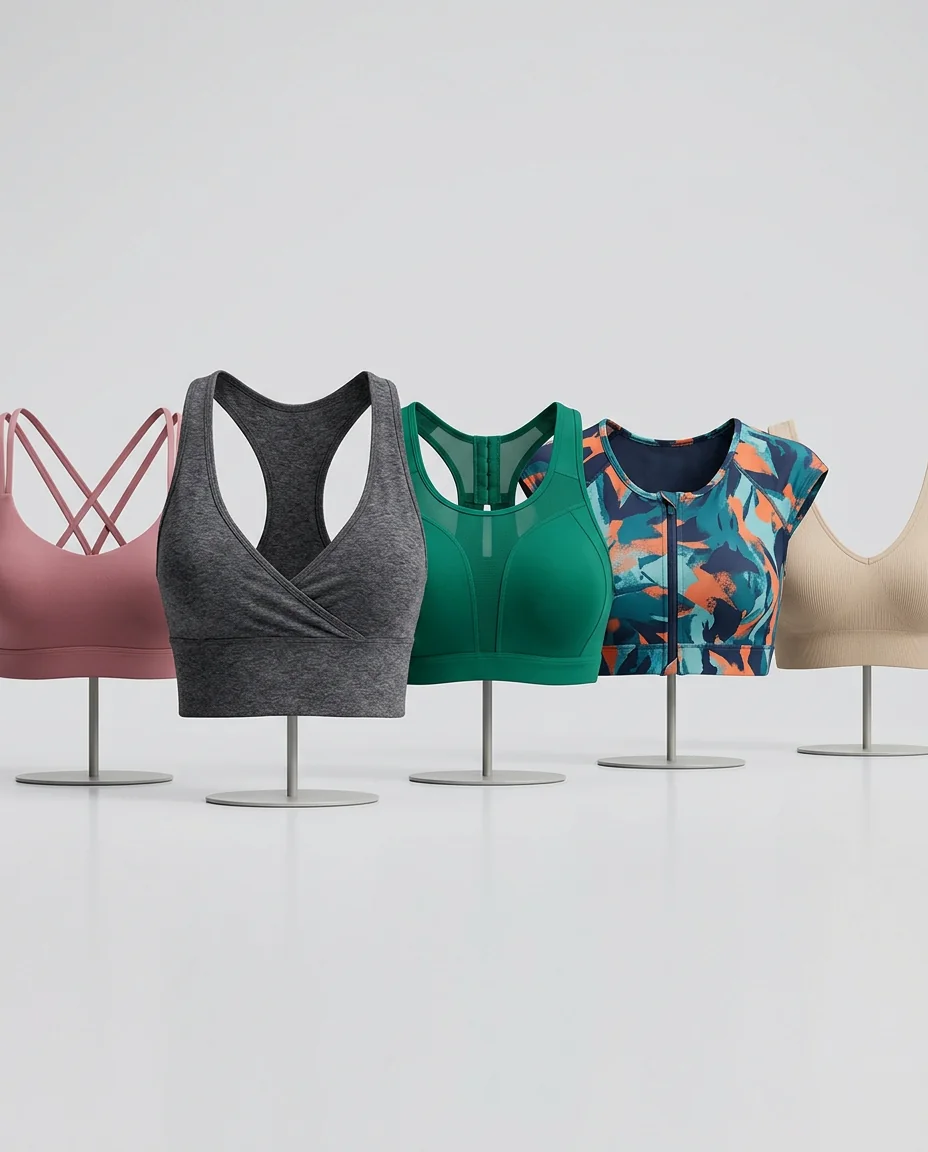
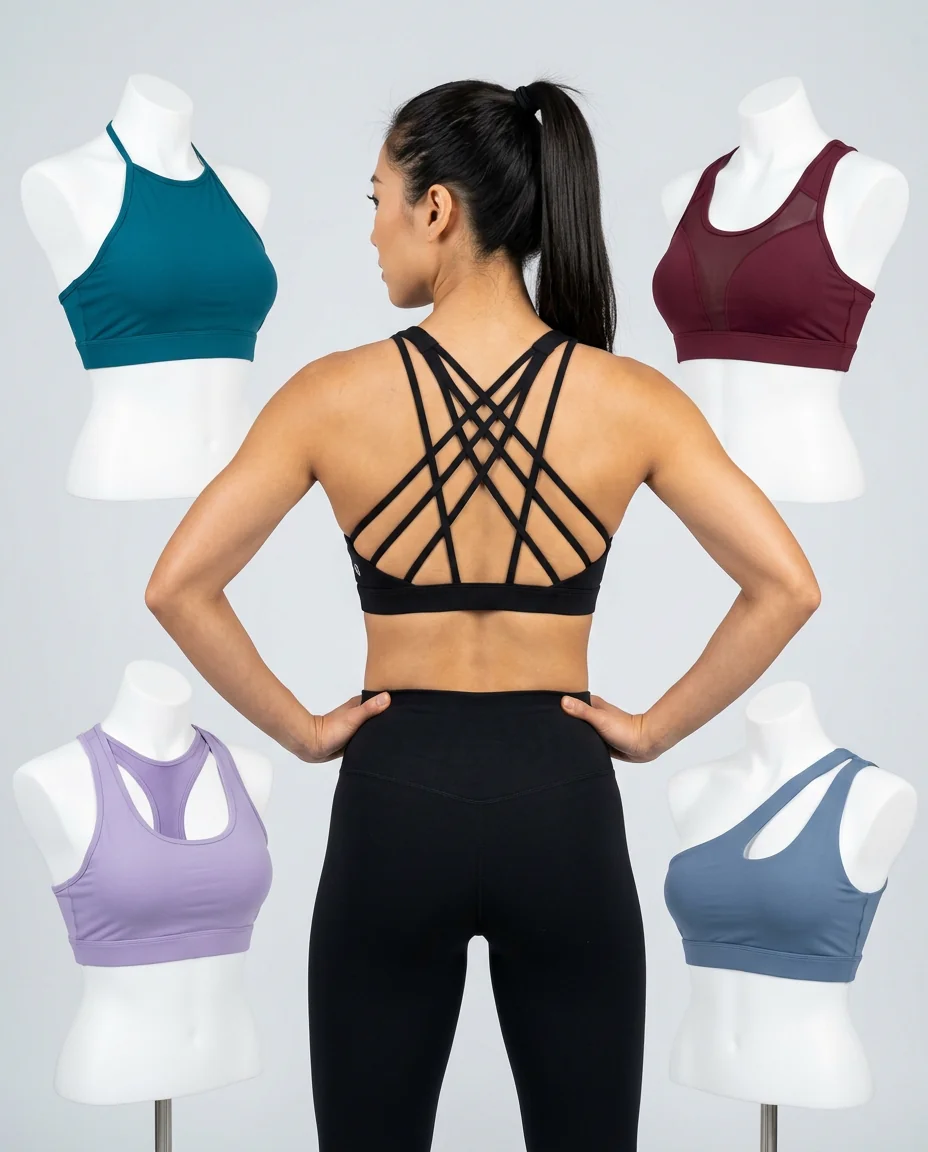
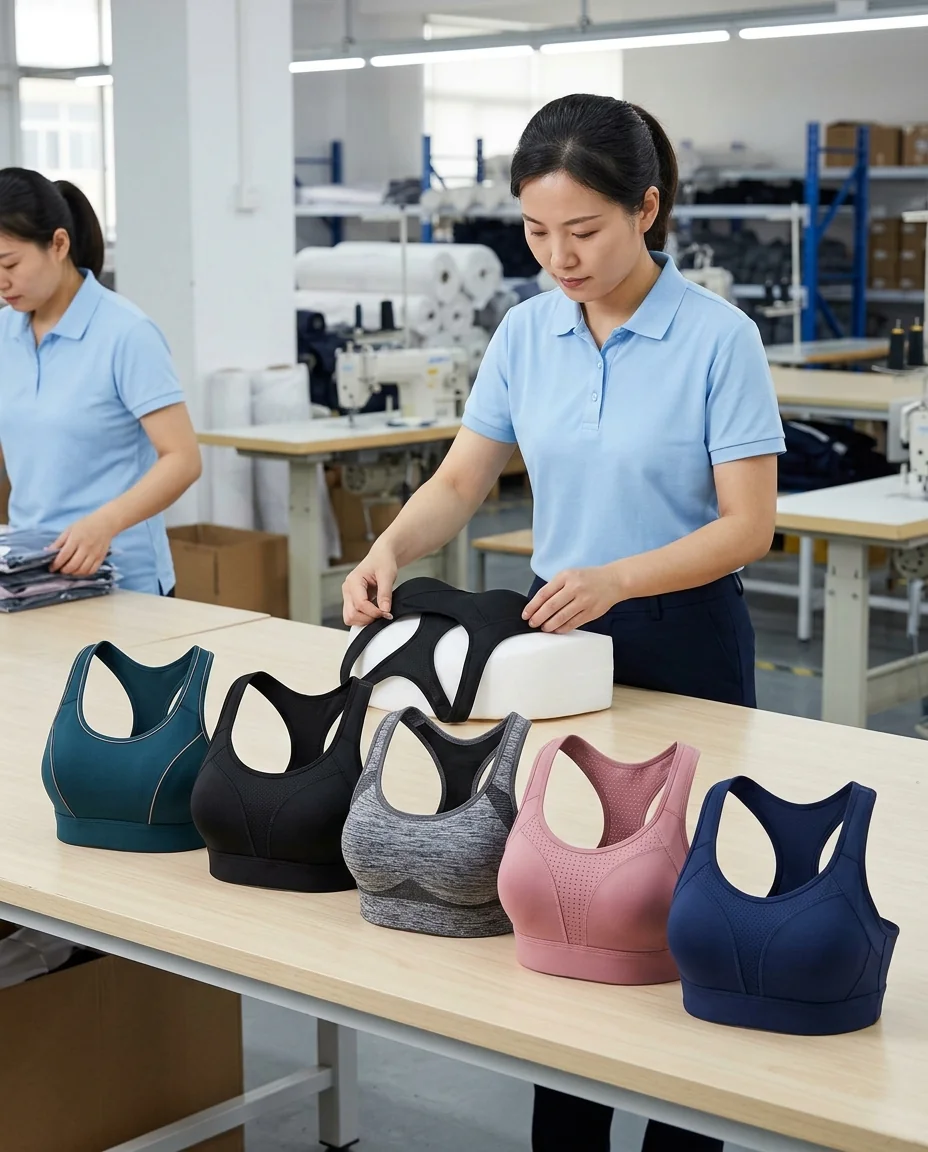
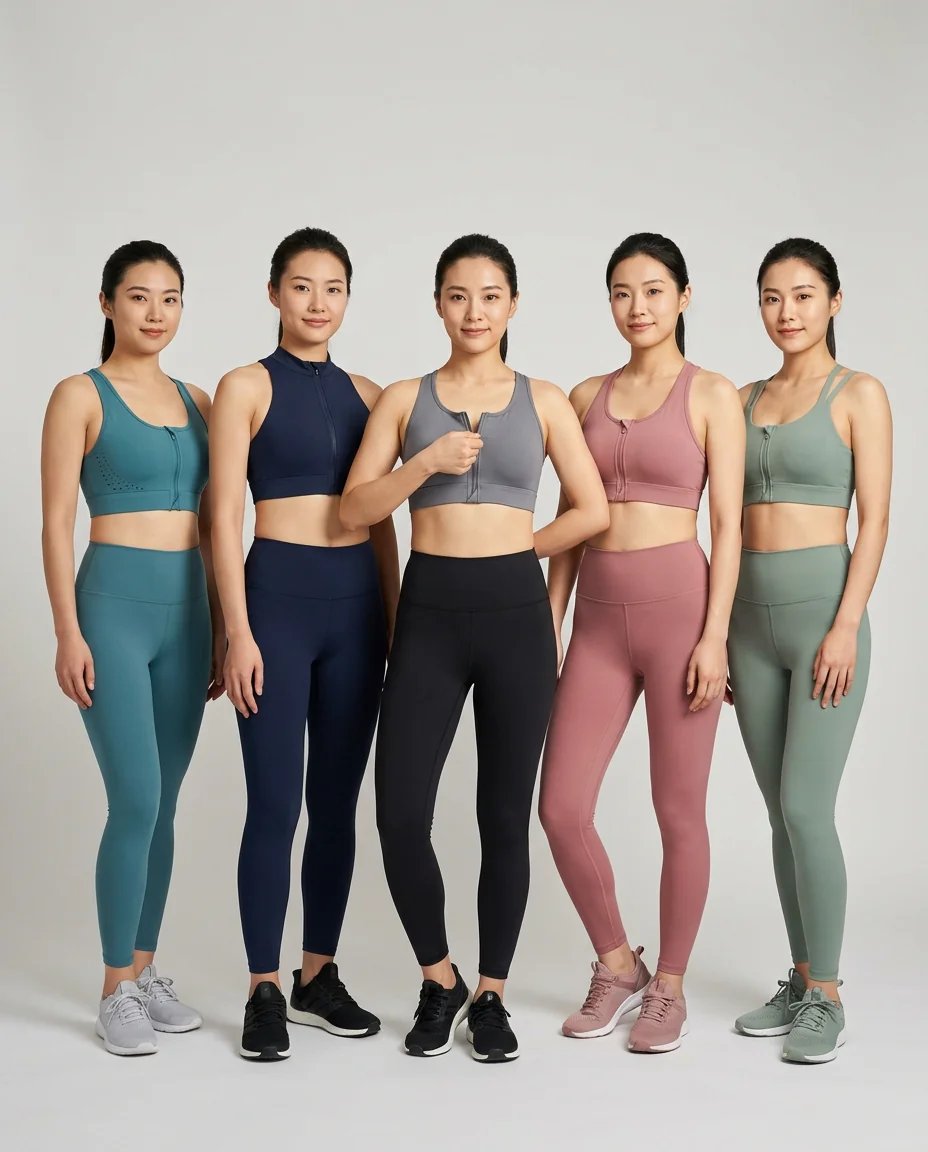
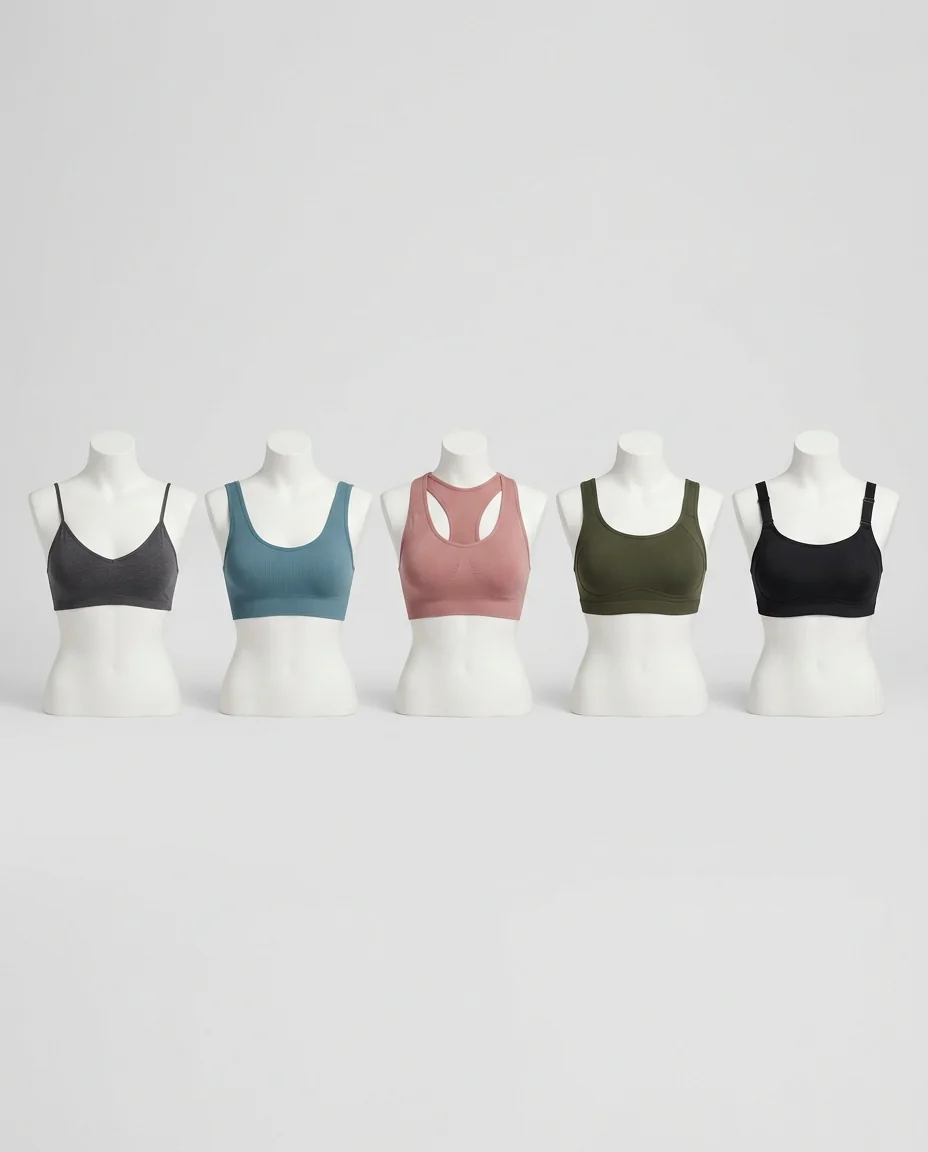
Your range plan — silhouettes, fabrics, and sizes that hang together.
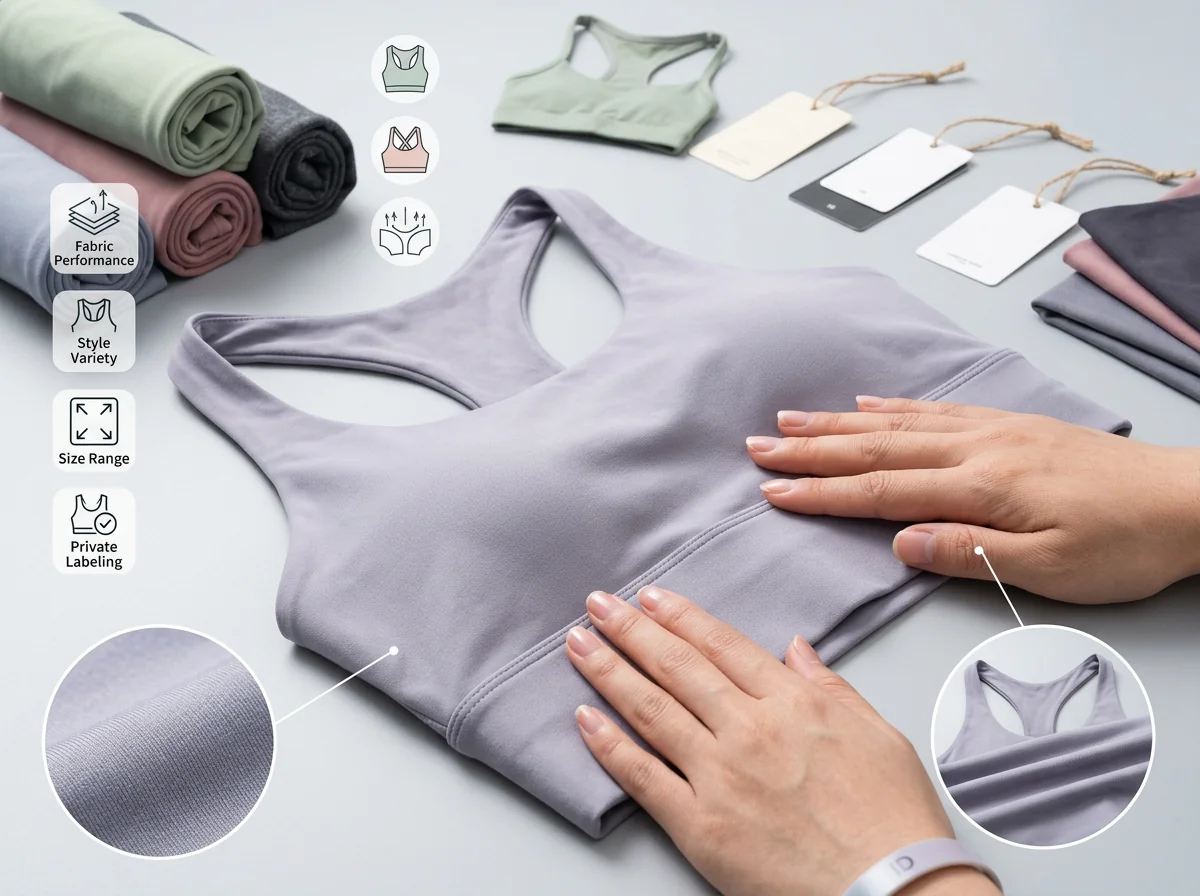
What a coherent bra range looks like at brief stage — pick silhouettes per impact tier, then hold one fabric story across them so the wall merchandises as a family rather than a mixed bin.
Five core silhouettes covering low-to-high impact yoga and training use cases.
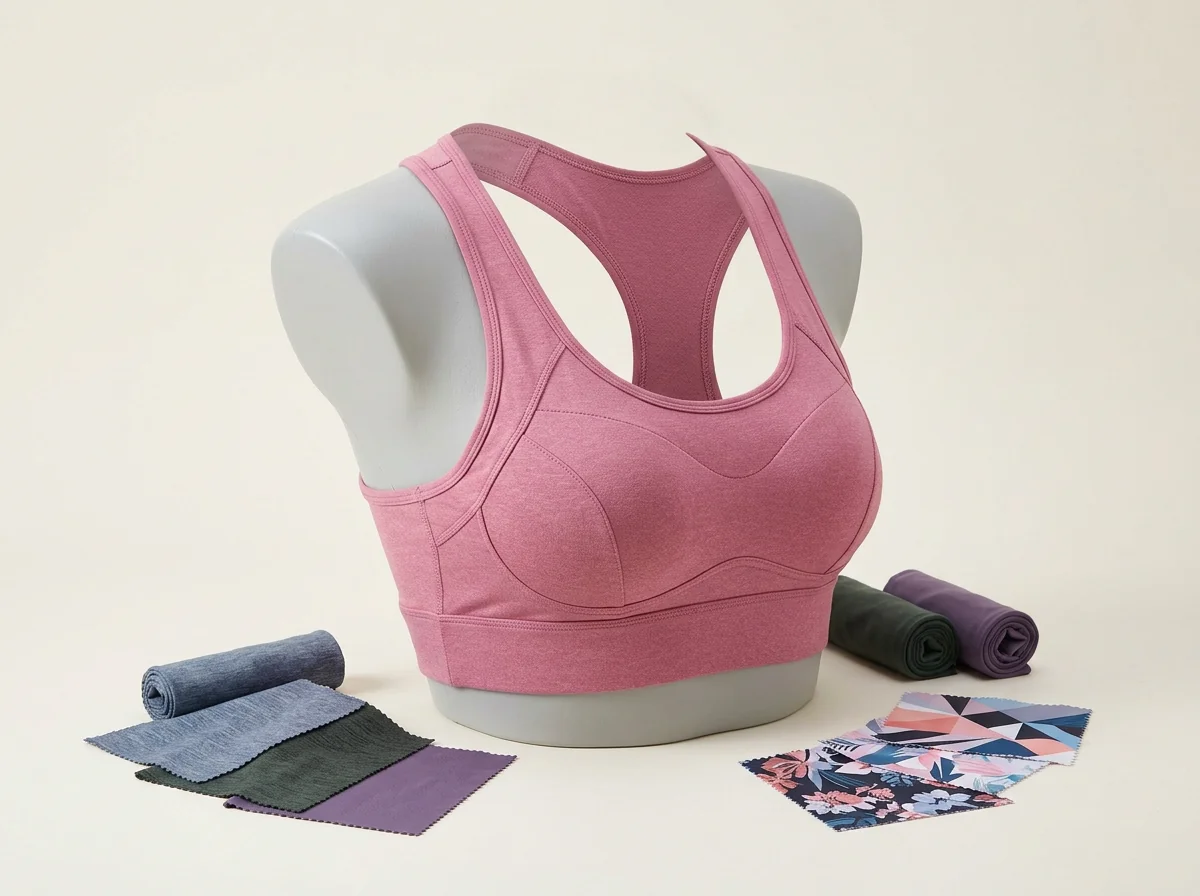
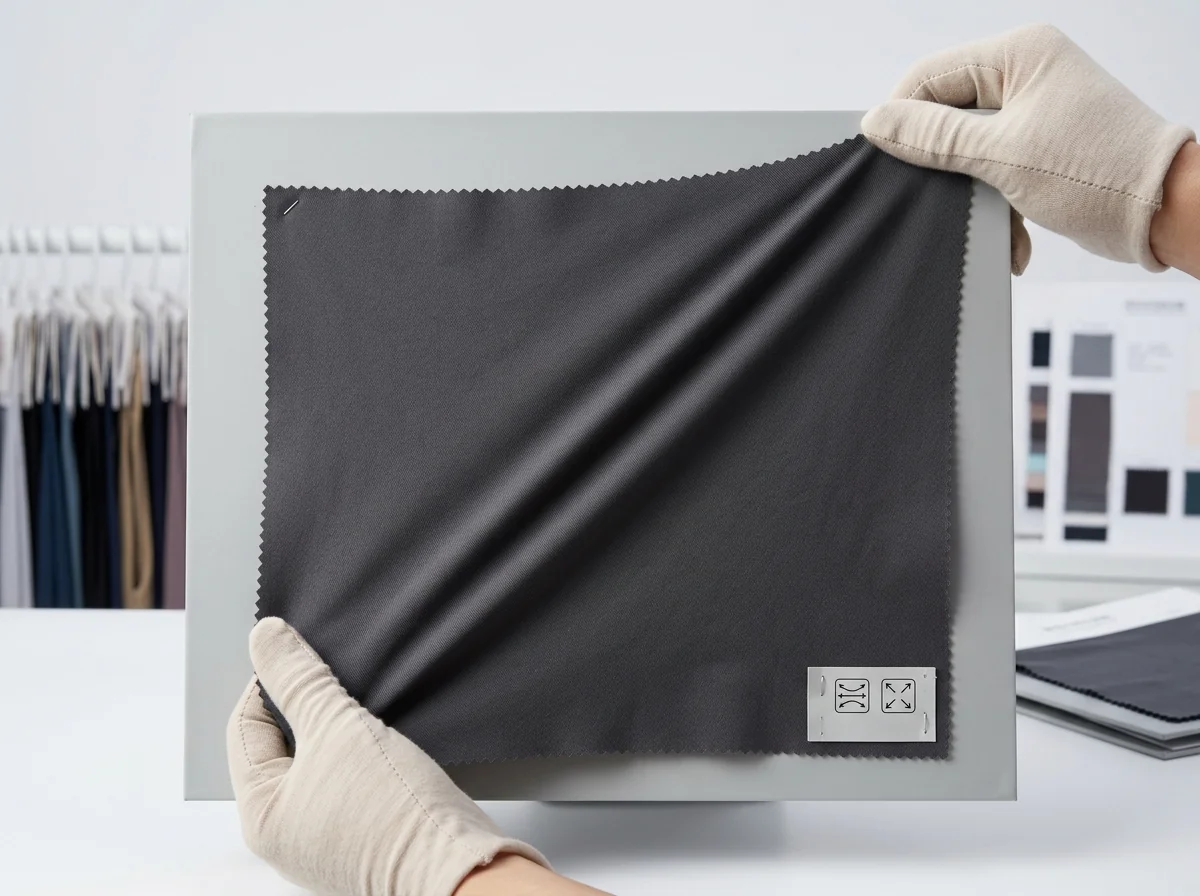
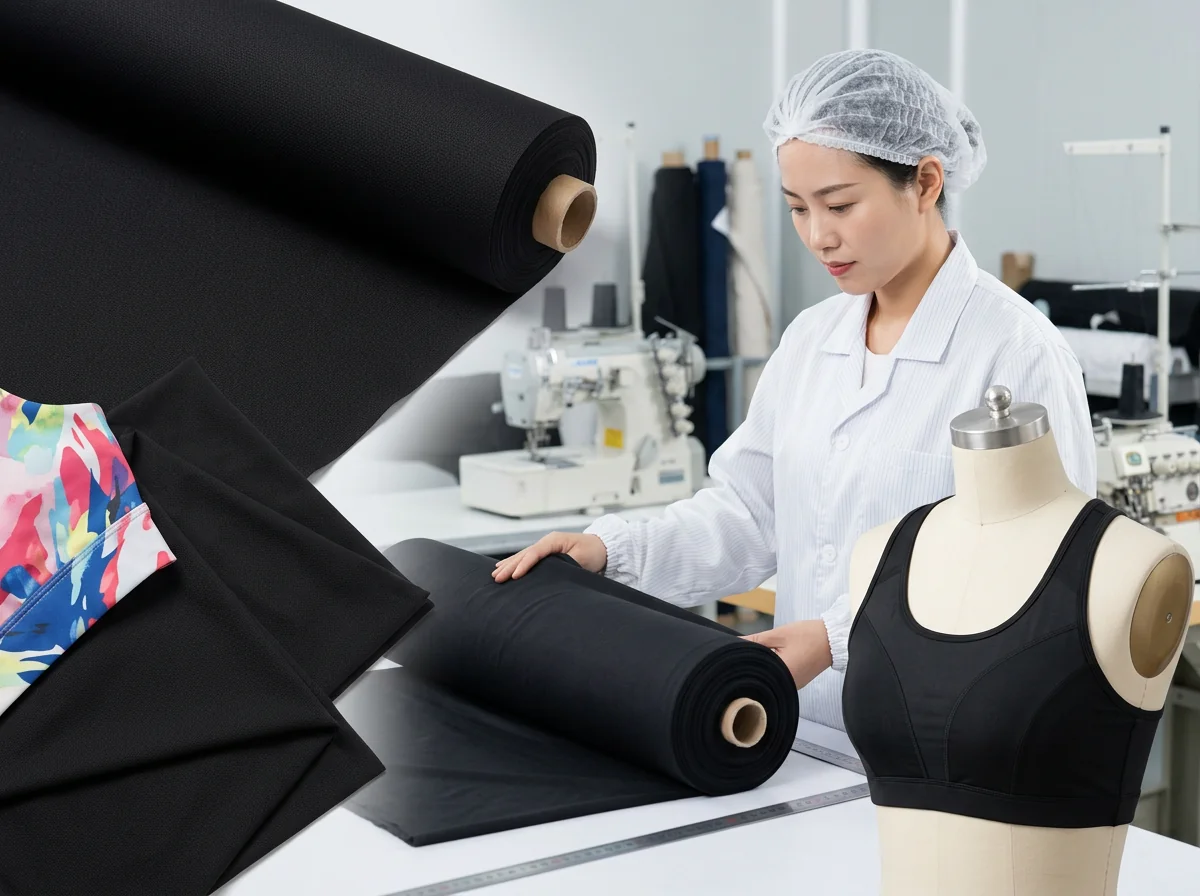
Five performance fabric bases plus open-spec custom fabric service for brand-owned mills.
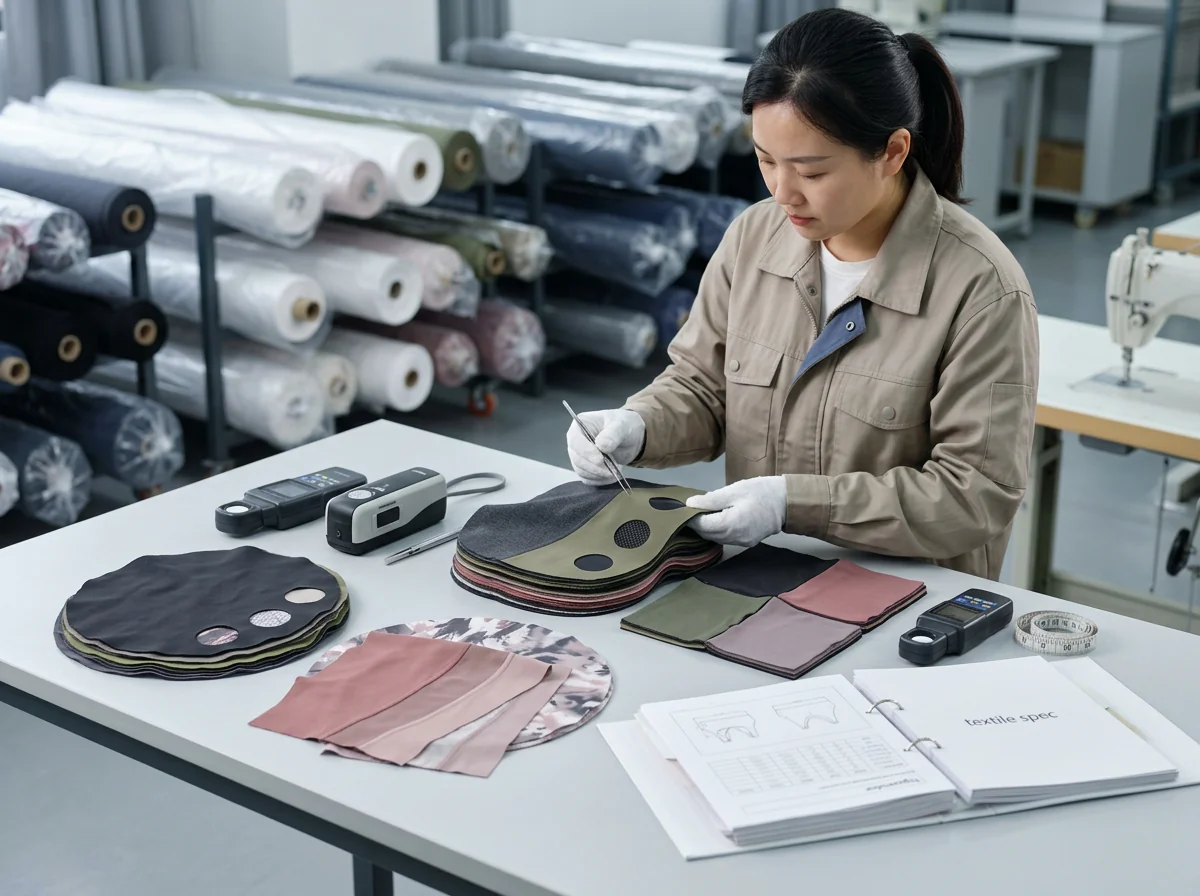
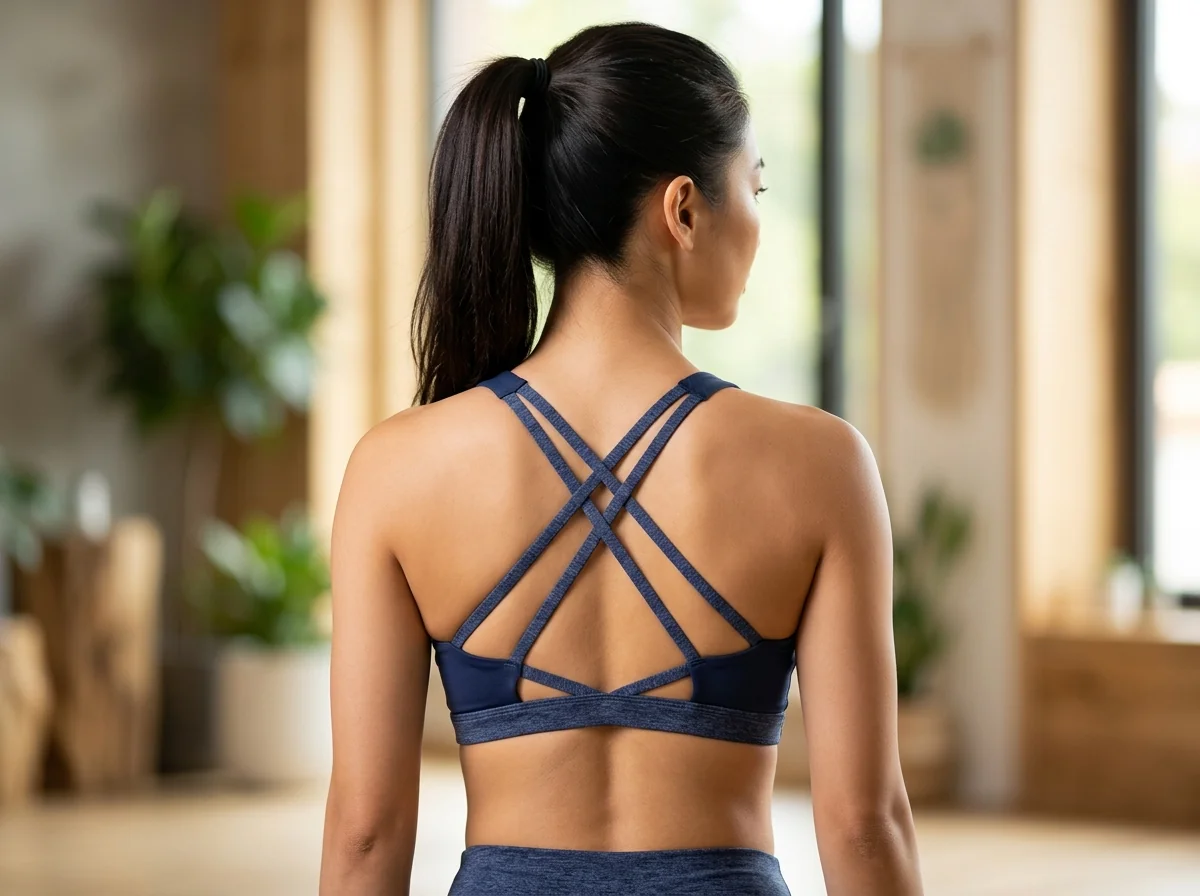
Four pattern decoration paths for brand differentiation on shelf and online.
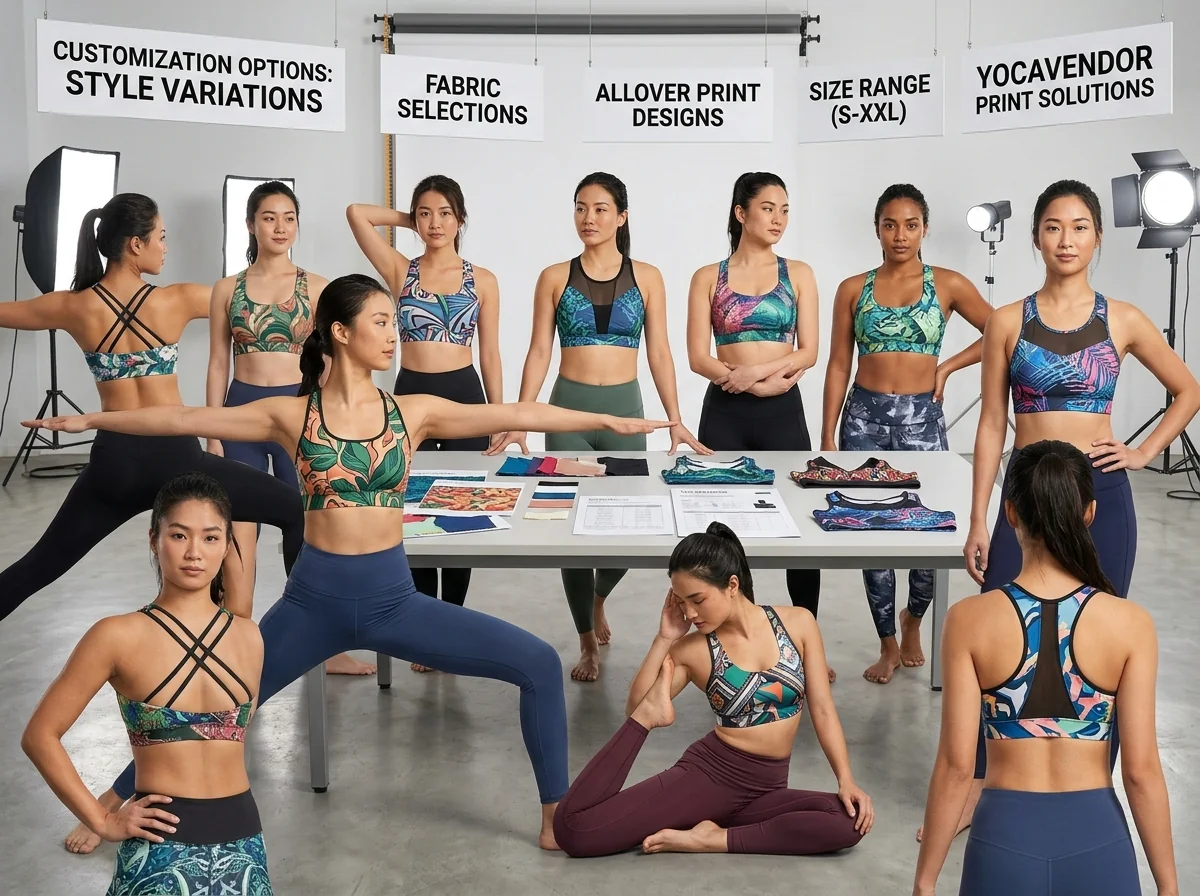
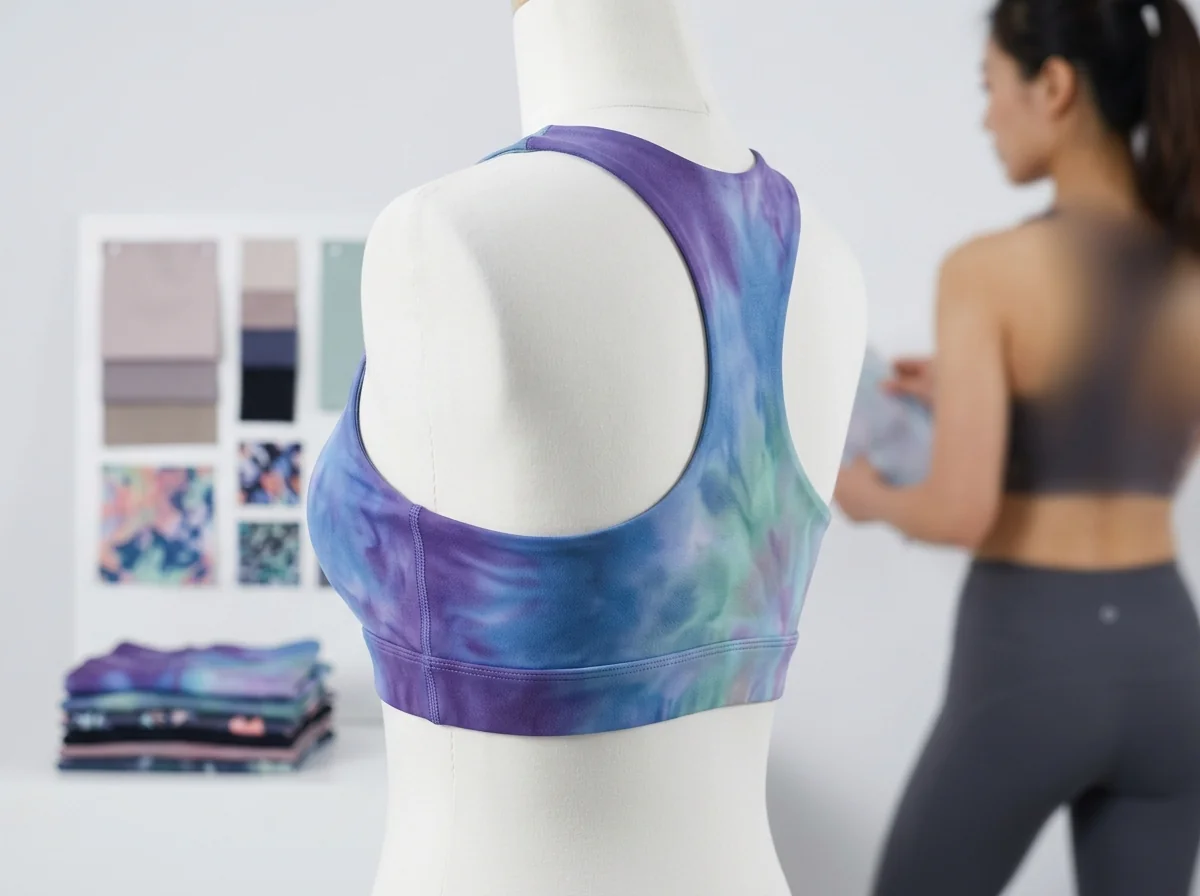
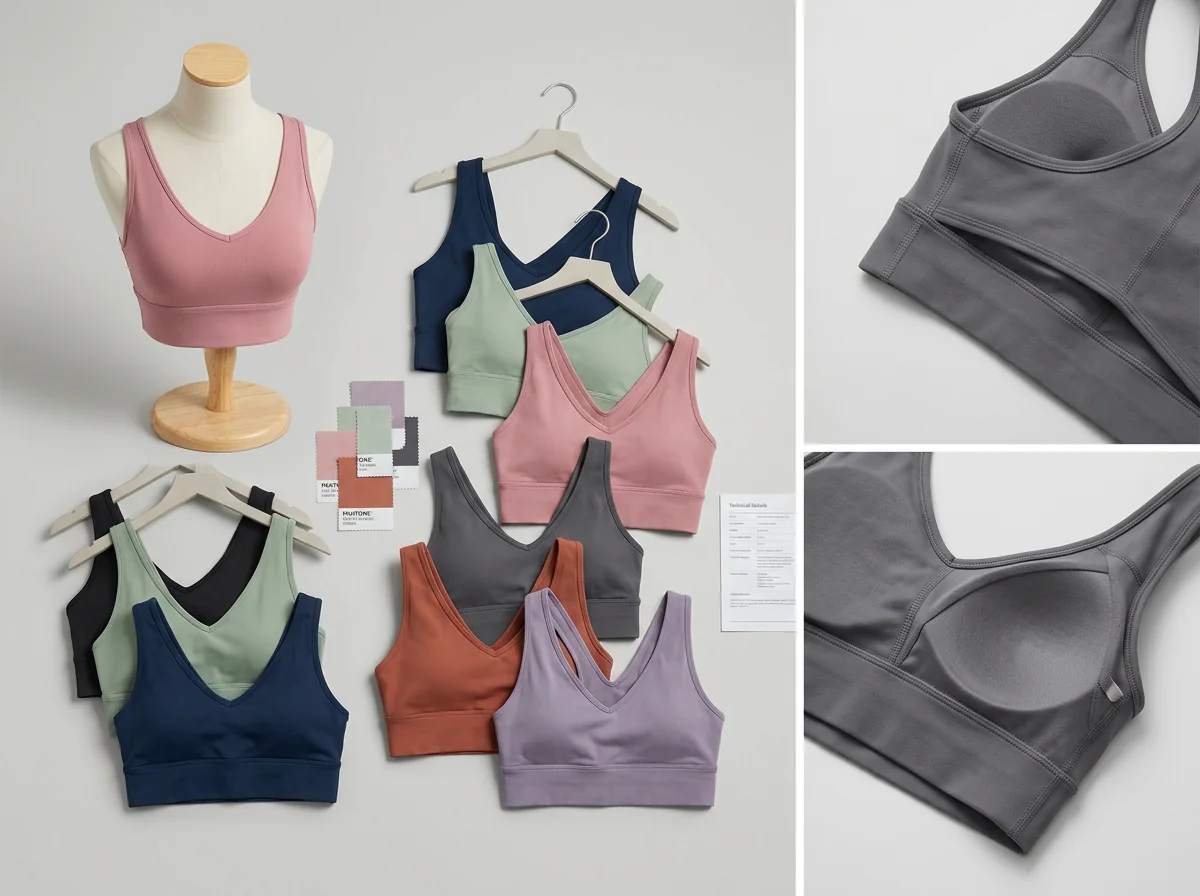
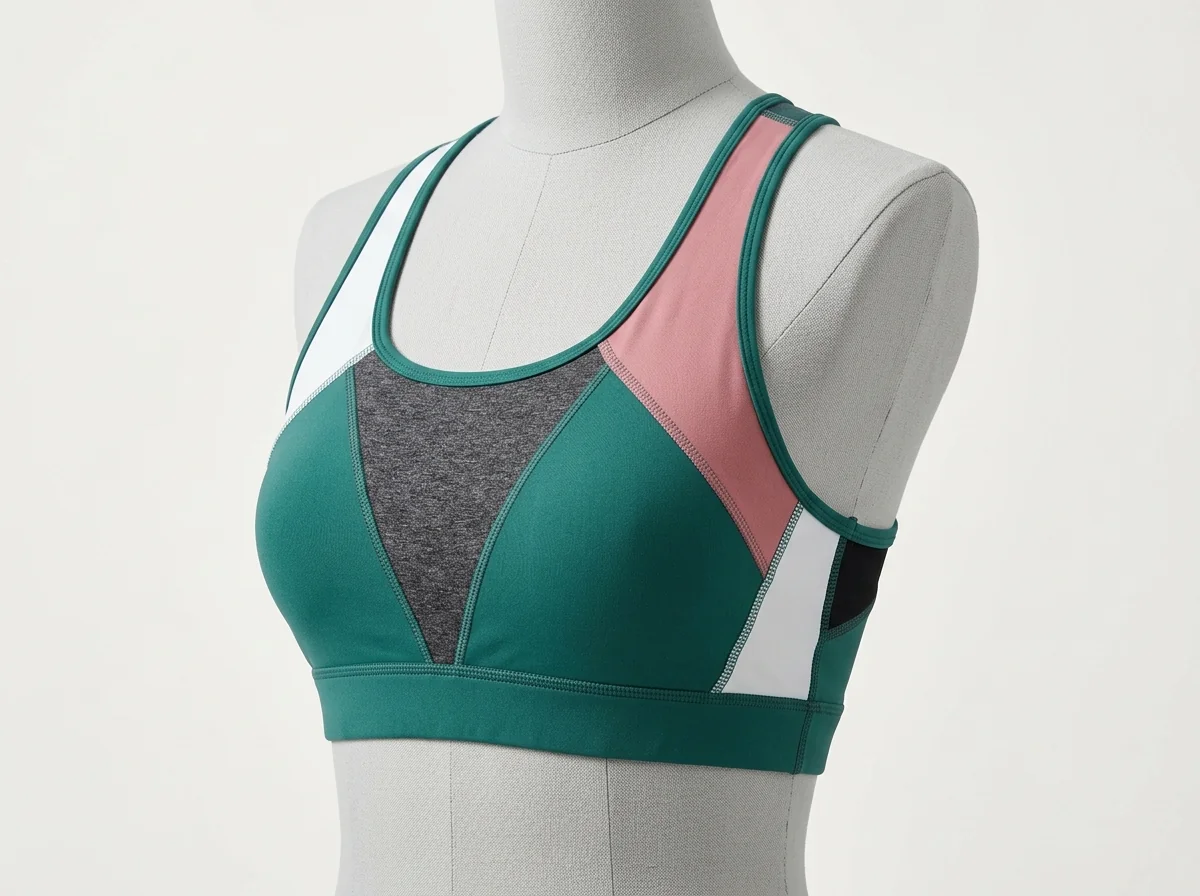
Four private-label branding touch-points fully customized per buyer’s artwork.
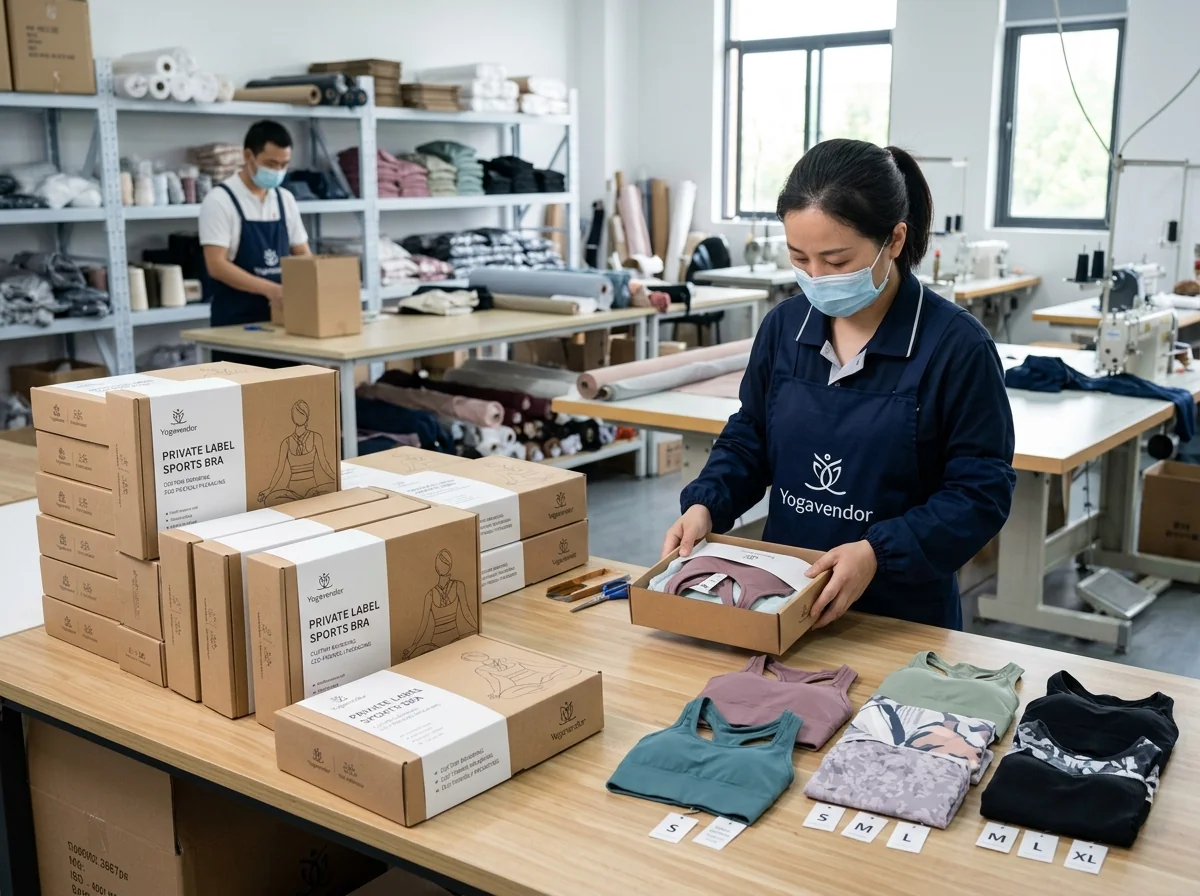
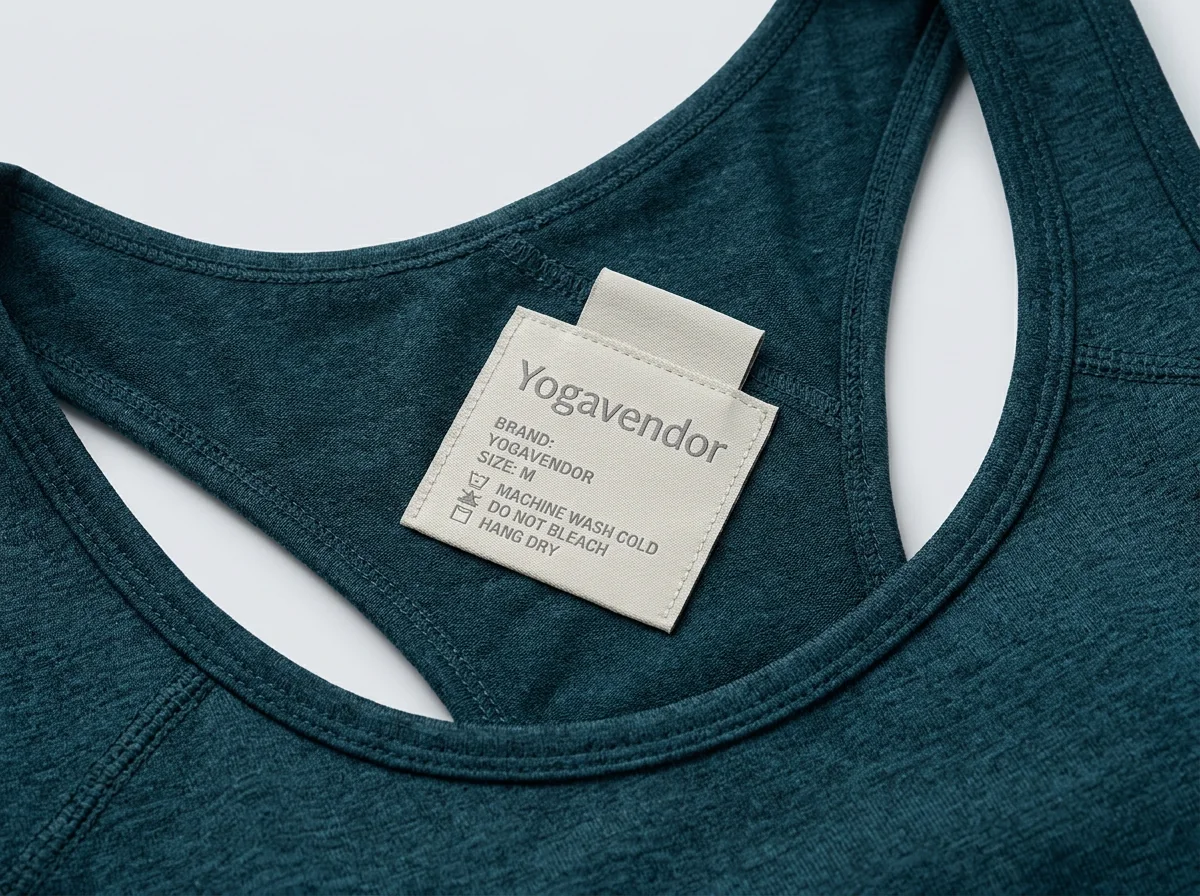
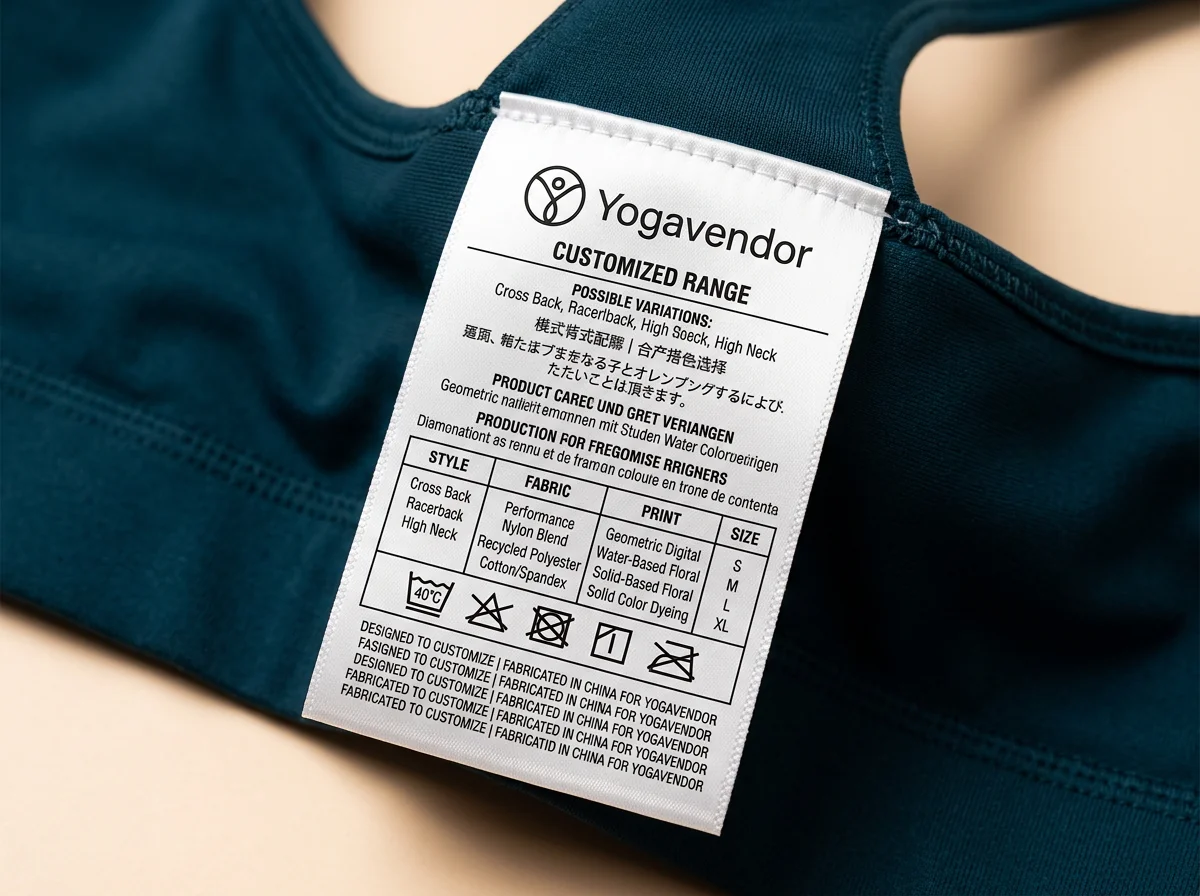
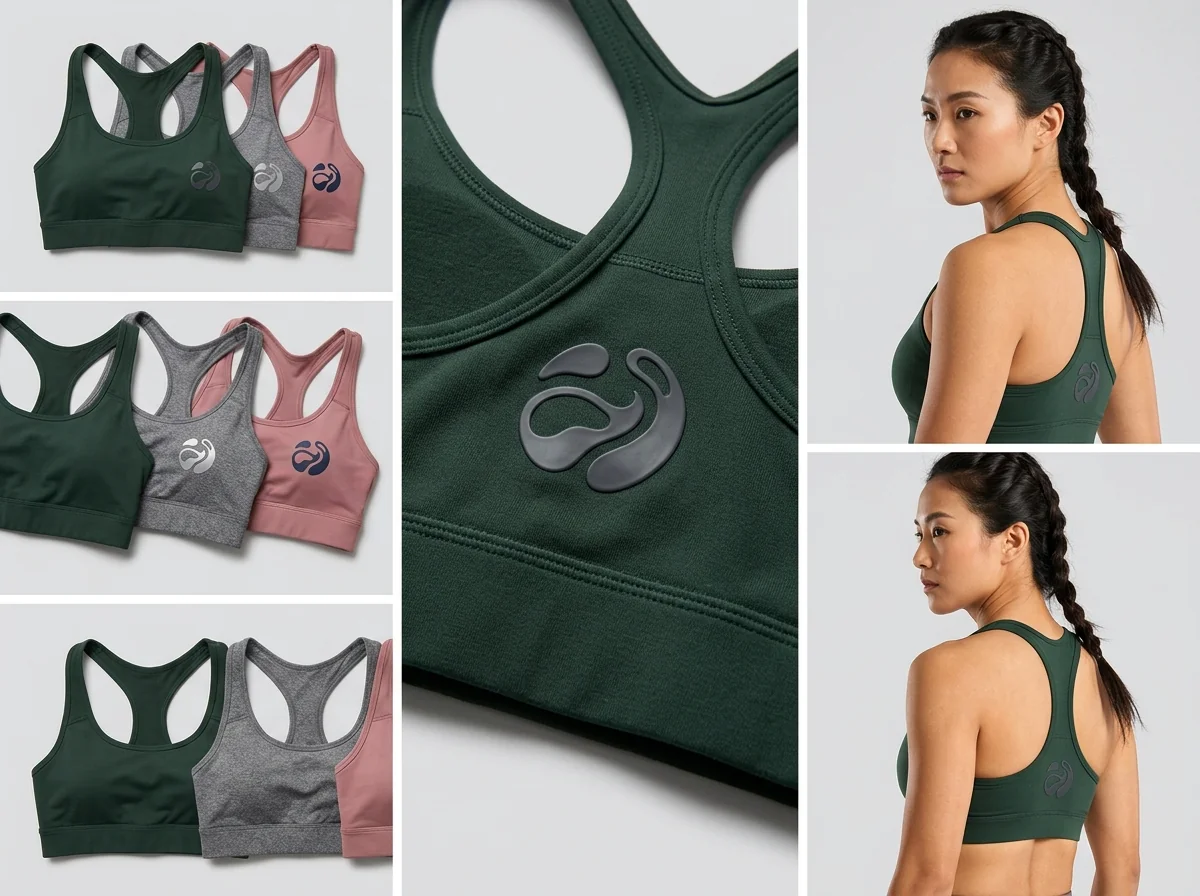
Three regional grading systems — choose one or run mixed-region orders inside the same SKU.
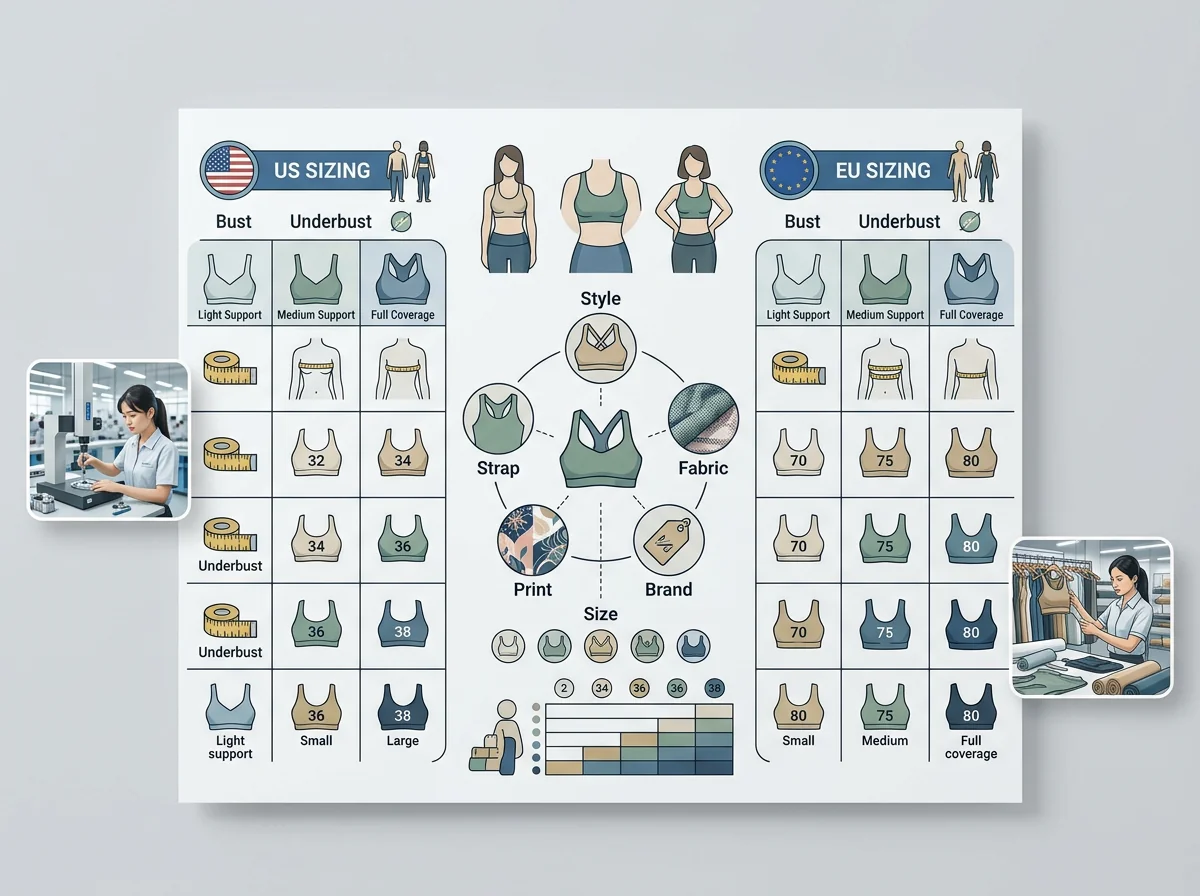
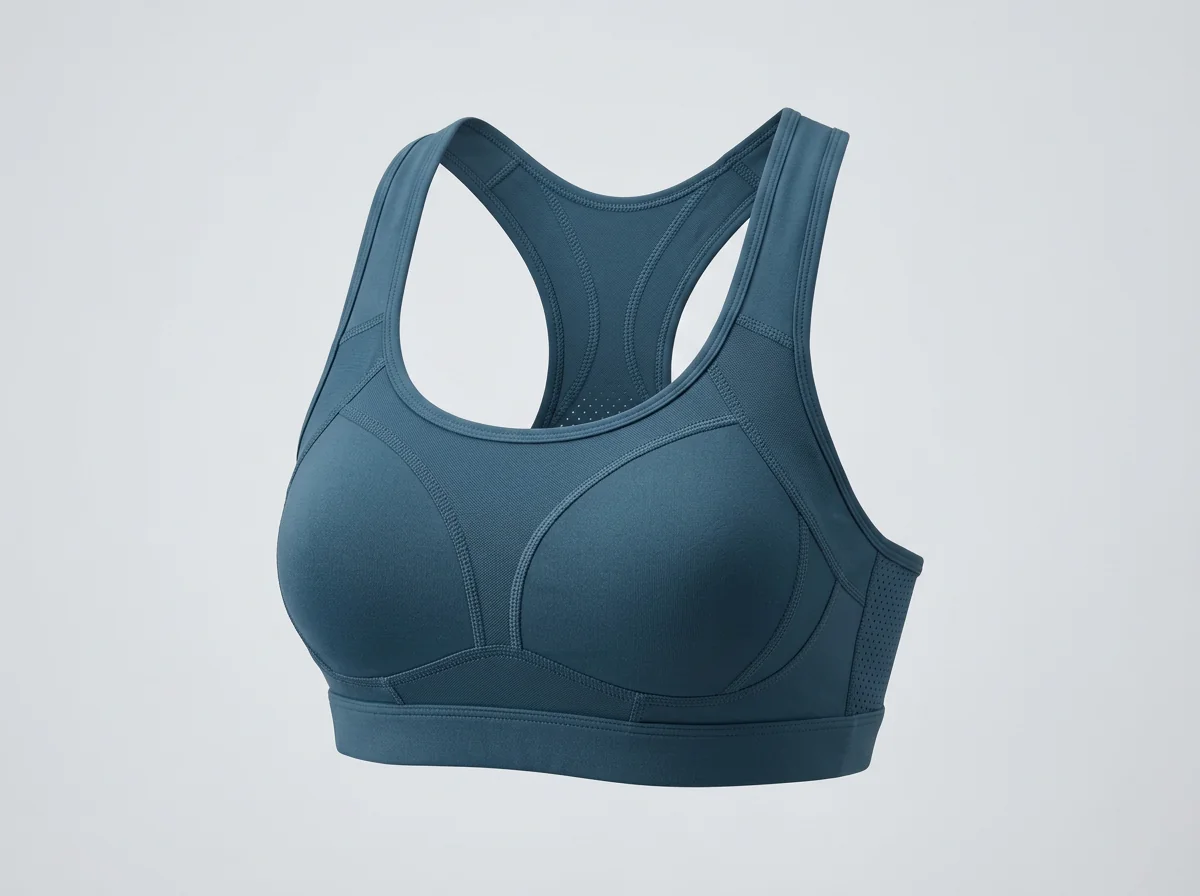
Your impact level decides the cup — settled before any fabric is cut.
Sports bras have the highest return rate in activewear; root causes are sizing chart errors, chafing, and insufficient support for the stated impact level — this section maps which cup construction belongs to which activity load. For broader wholesale activewear programs, cup construction applies equally to sports bra SKUs in mixed-catalog orders.
Impact Level Mapping
Cup Construction Options
“Brands that ship a ‘high-impact’ label on a removable-pad racerback see disproportionate 1-star reviews within 60 days of launch — we flag this mismatch at brief stage, not after 500 pcs are cut.”
Support lives in the band, not the straps — how we spec the elastic.
In a well-built sports bra the underband carries the dominant share of the load; straps mostly stabilise. That is why our fit reviews start at the band, and why elastic specification gets its own line in every bra tech-pack rather than a generic “firm elastic” note.
The band is always cut shorter than the wearer's underbust measurement, and how much shorter is an impact-level decision, not a comfort guess. A low-impact bralette band sits at gentle negative ease so it holds position without compressing the ribcage; a high-impact racerback band runs markedly tighter, because every extra millimetre of band extension under load converts directly into vertical bounce. At the brief stage we translate your stated impact rating into a target extension window for the band elastic, then verify it on the strap-and-band rig before any fit session.
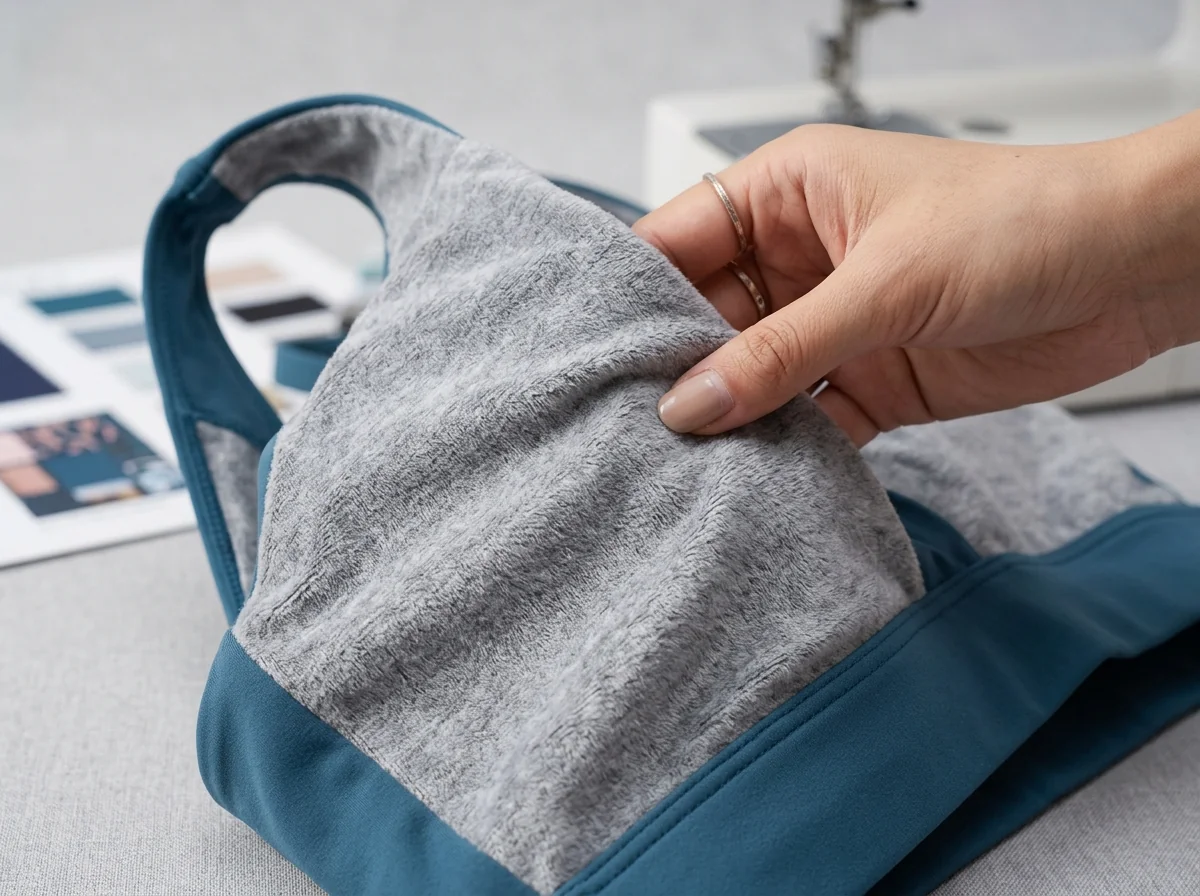
An underband that measures perfectly on day one and grows two sizes by month three is the slowest-burning defect in this category — it never shows at inspection, only in reviews. Our countermeasure is a recovery score: band elastics are put through a 100-cycle stretch-and-wash protocol and graded on how completely they snap back before we approve them for a bulk order. Plush-back elastics that fail the score get swapped at fabric approval, while the lab-dip is still open, never after cutting.
- Cup volume does not grade linearly with band length — between L and 3XL, projected cup volume grows faster than the band, so we grade the two on separate rules
- Molded styles hold their A–DD cup architecture all the way up the run; the lazy alternative of scaling one cup shape is exactly what produces the gape-at-2XL complaint
- Wing height increases through the upper sizes to spread band pressure over more surface — same hold, less dig-in
- Band joins are flatlocked or bonded — a folded overlock bulk at the underband is the no.1 chafe point in long-hold poses
- Strap-to-wing junctions are reinforced and pull-tested as a standard inline check, since this seam takes the snap load when the bra is pulled on overhead
- Pad pockets open at the side seam, not the band — pocket openings on the band edge distort under tension and telegraph through outer layers
Almost nothing at the unit level, which is the point: low-impact bras open around USD 5.80–6.60 FOB in the pilot band, ease to 5.00–5.70 in the 300–1,000 range, and reach 4.10–4.90 past a thousand pieces — the elastic rig work, recovery scoring, and separate cup grading are built into those figures rather than billed as engineering line items.
Bras hold a dedicated lane on the tops-and-bras line with monthly bra throughput of 18,000–22,000 pieces. Before bulk, a pre-production sample with the final band elastic runs USD 120–220 and arrives in 14–18 days — approve it and order within thirty days, and that fee comes back in full.
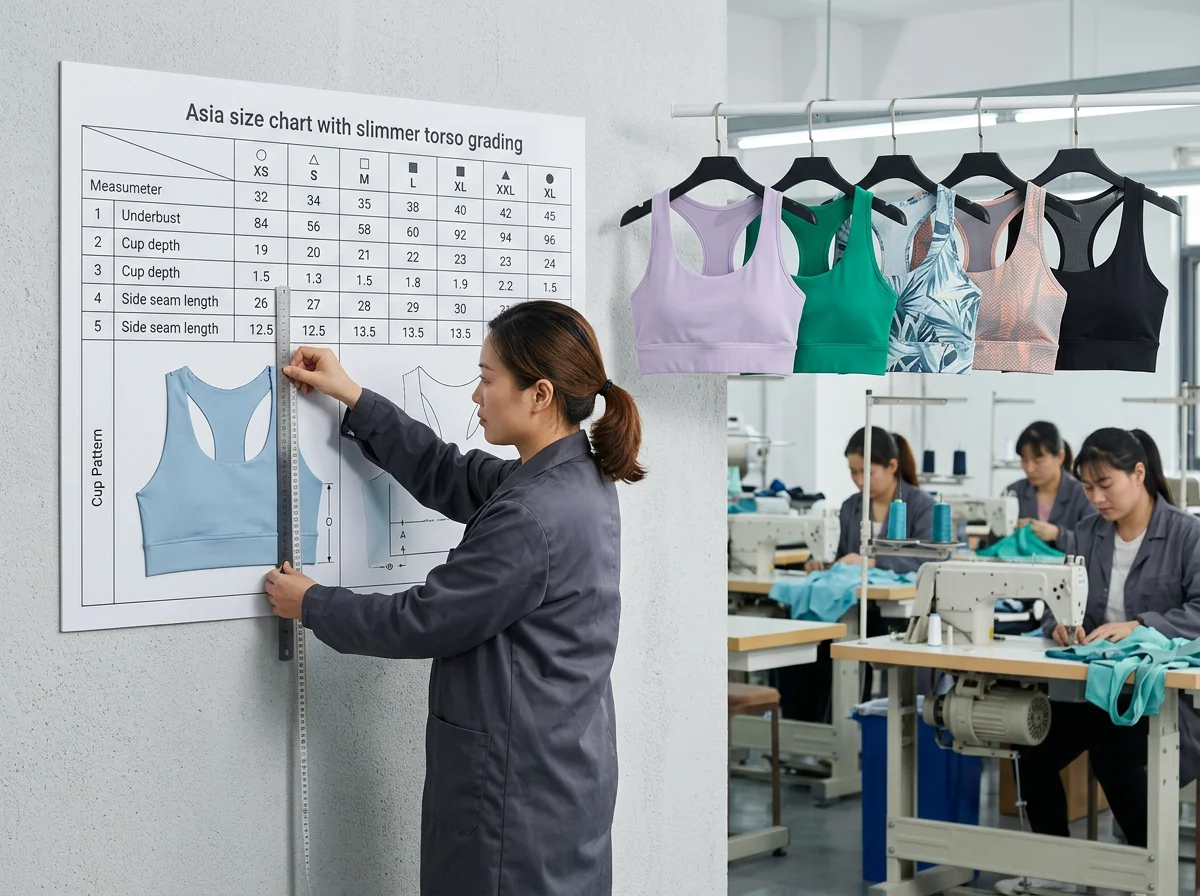
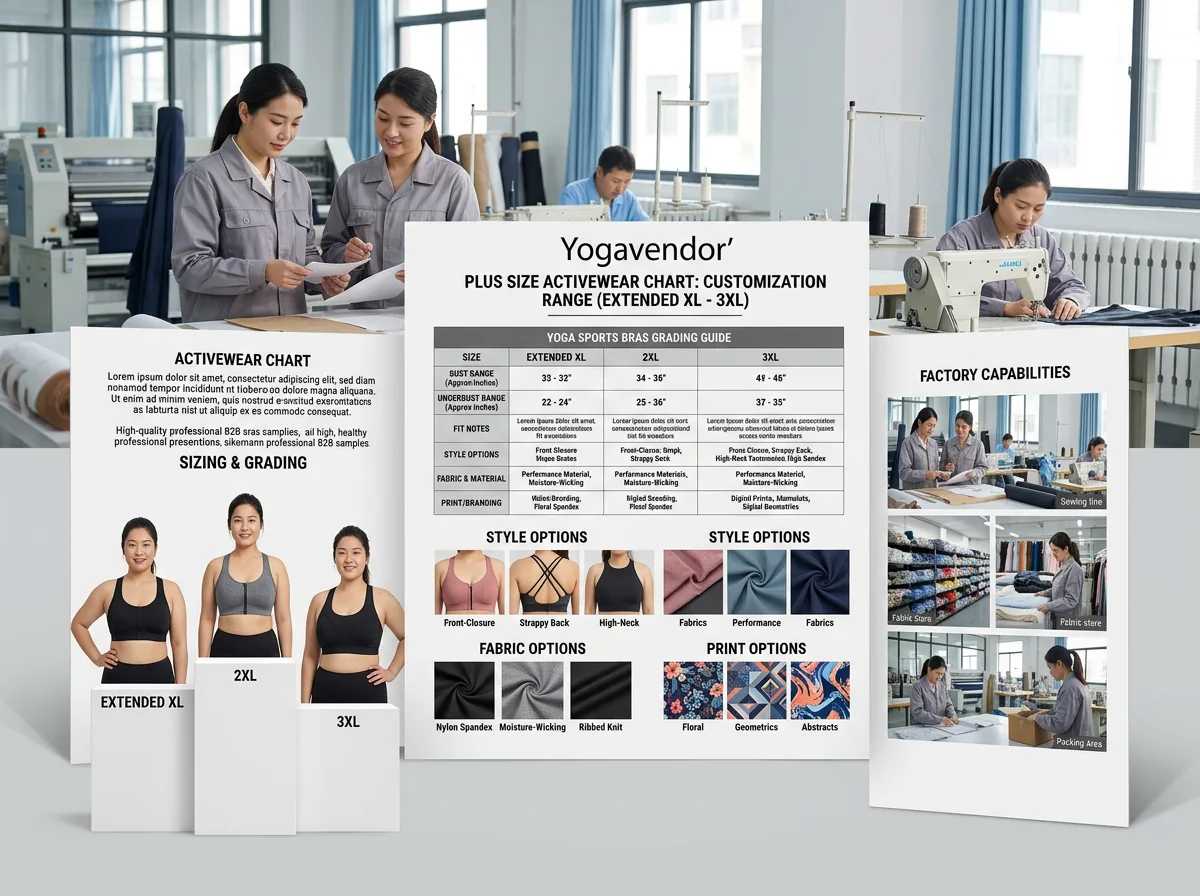
XS–3XL band grading — and why it’s the most skipped step in sports bra development.
Brands that launch with mis-graded sizing charts see 18–30% return rates on sports bra SKUs — industry data reflecting the gap between sample-size fit and production-run grading accuracy.
7 sizes, full grading, no drop in cup quality at larger bands. Cup sizes for molded styles: A / B / C / D / DD (non-molded styles use band sizing only).
Typical run distribution across XS–3XL:
- Grading is verified on sewn garments at three points of the size run (smallest, base, largest) — not extrapolated from the base size alone
- Fit engineer signs off size spec before pattern release
- Cup sizes for molded styles: A / B / C / D / DD
- Non-molded styles use band sizing only
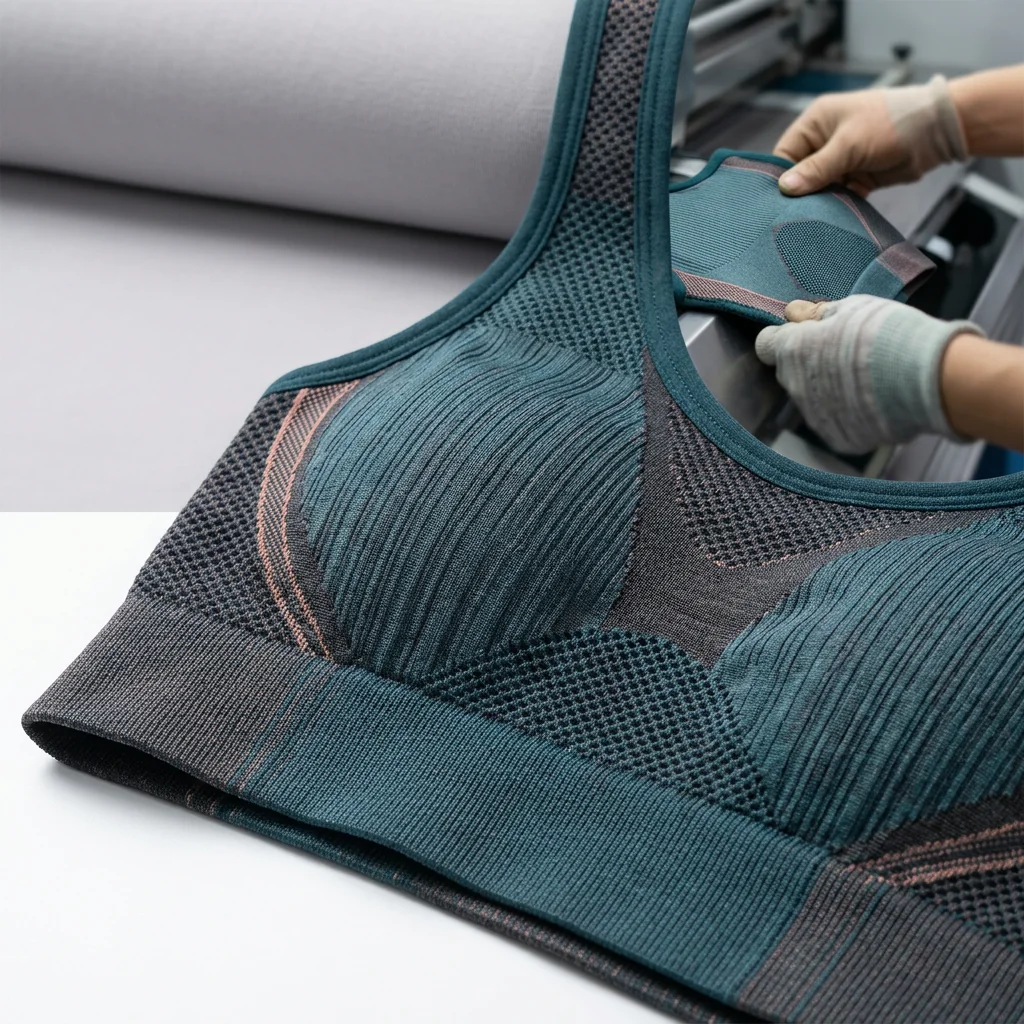
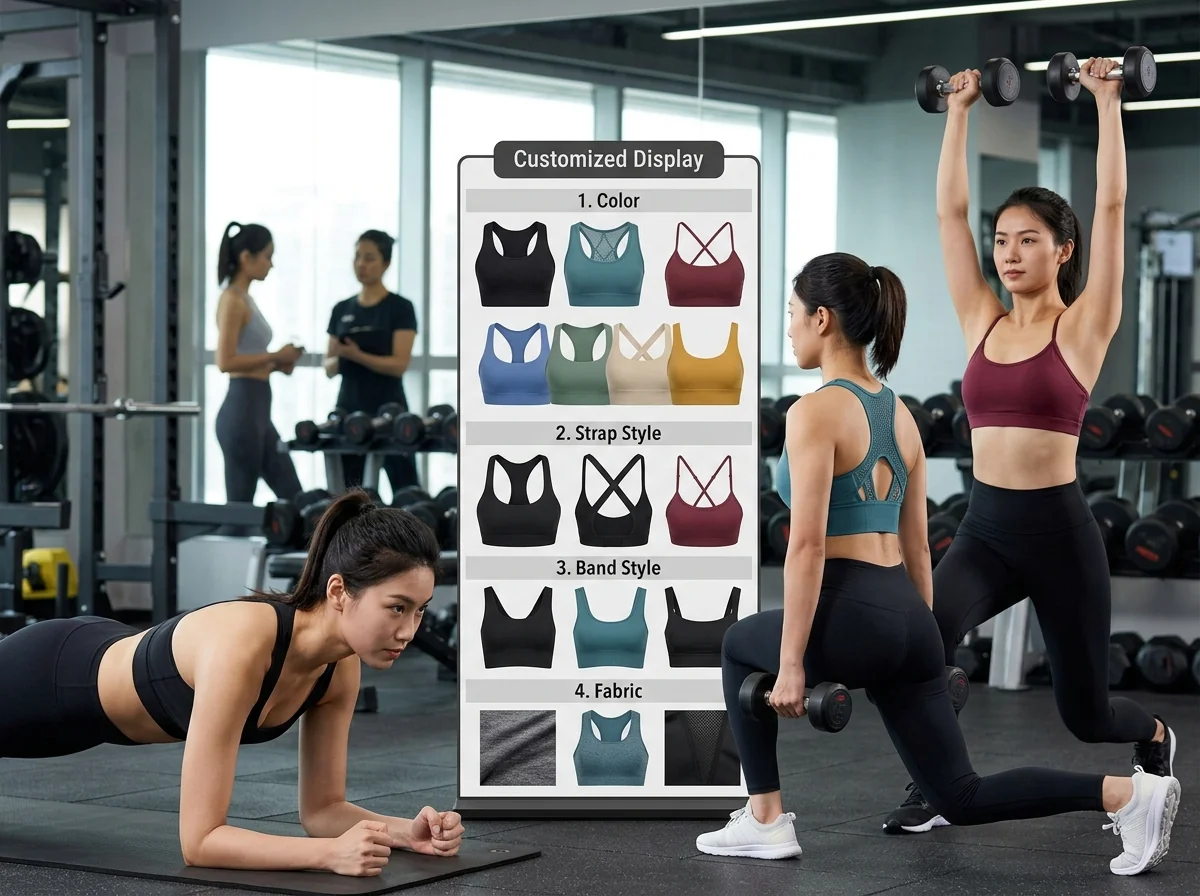
Your build variables — strap, band, cup access, and base cloth.
These four variables exist only on a bra block, so we lock them before a tech-pack is opened — it prevents the mid-sample revision loop that costs 2–3 weeks. Colourways, prints, and labelling are catalogue-wide decisions handled once on the custom yoga apparel hub.

Studio retail SKUs, branded class wear and instructor uniforms
High-impact training programs and chain-gym branded apparel lines
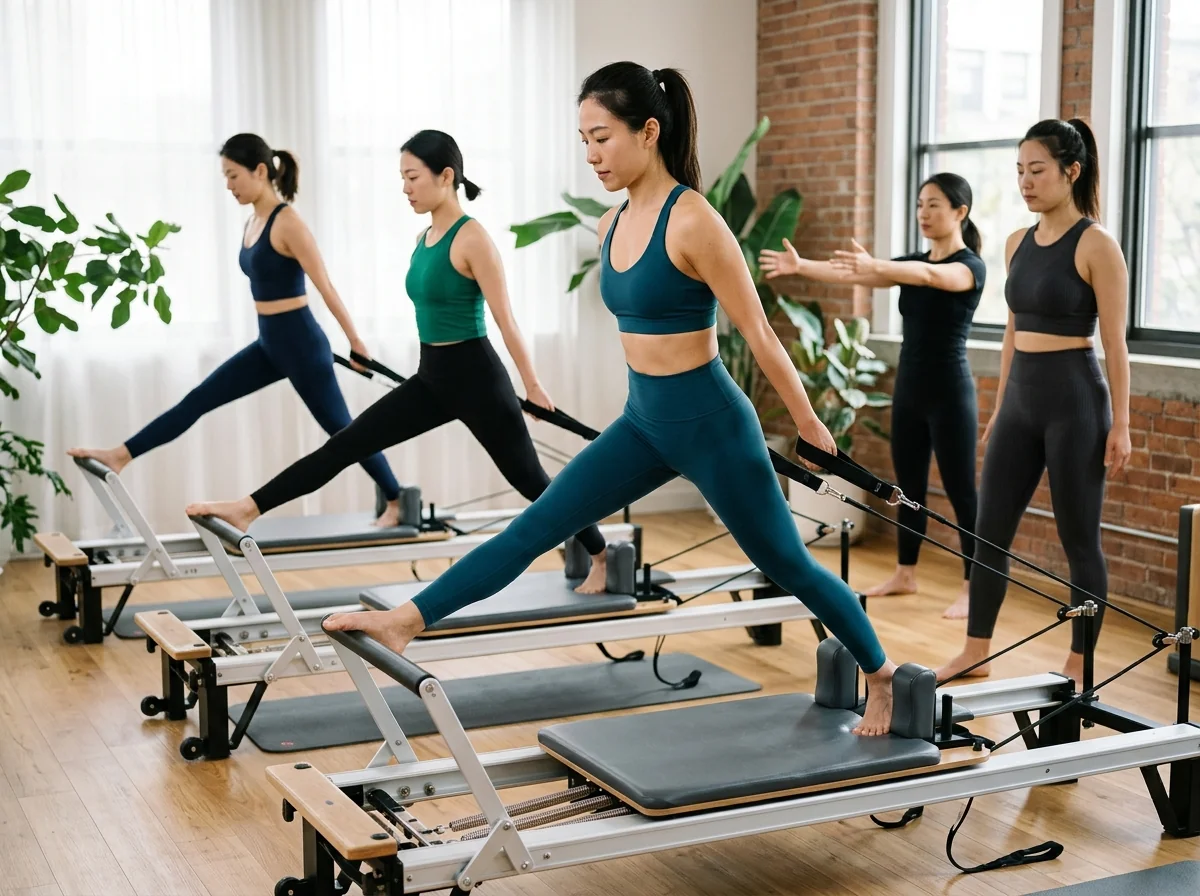
Form-fitting reformer-friendly sports bras for premium boutique studios
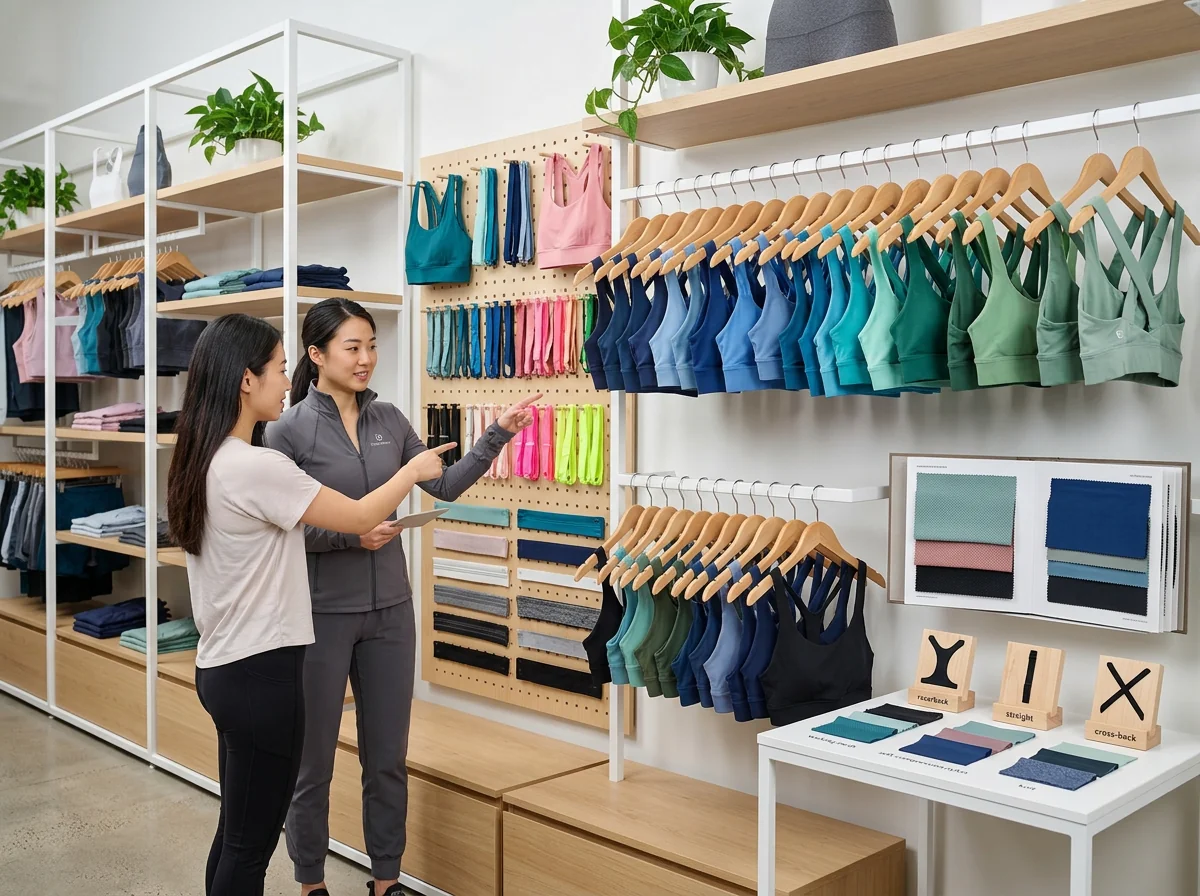
Branded retail wholesale programs for activewear and lifestyle stores
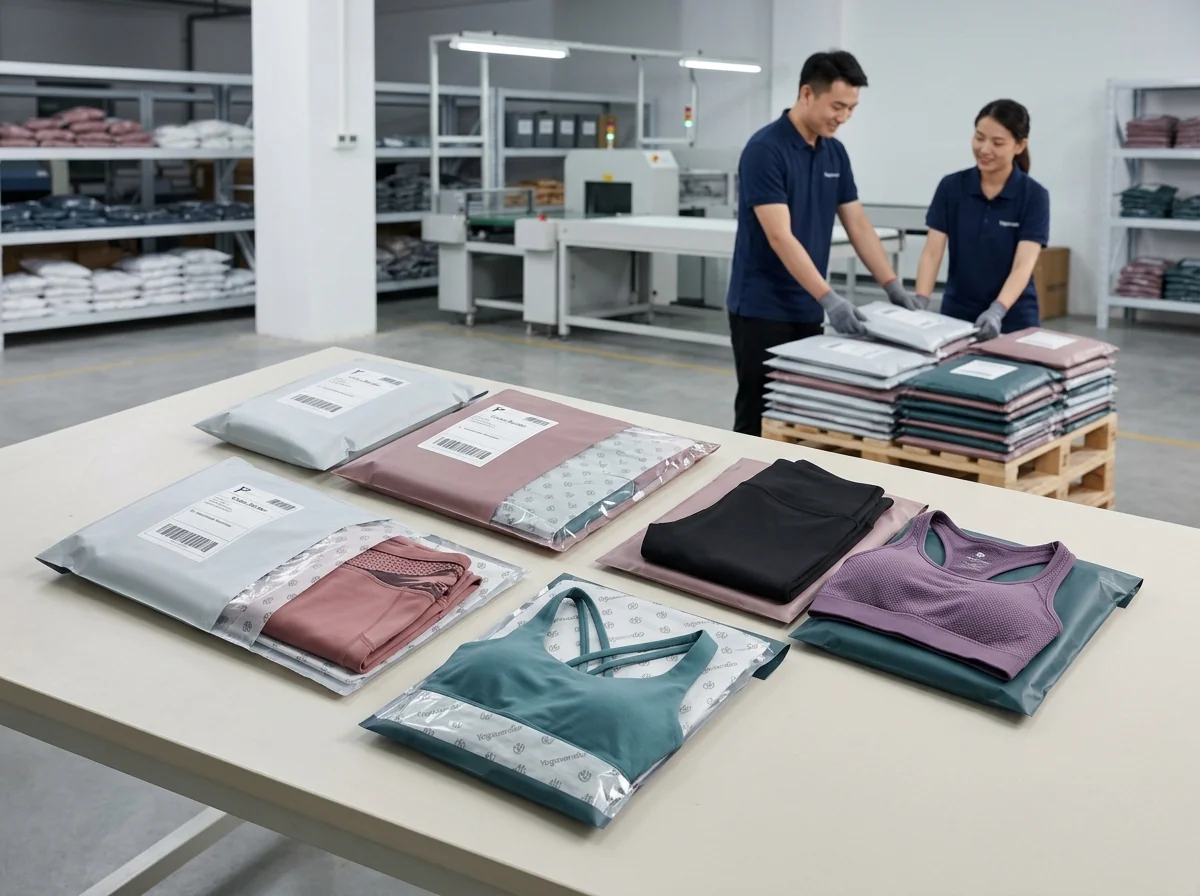
Amazon, Shopify and TikTok Shop programs with FBA-ready labelling
A gym wear brand’s relaunch — first batch sold through in 9 weeks.
Switching from a generic cut-and-sew to a factory with an impact-level protocol changed the return rate number before the second order was even placed.
“We relaunched our high-impact SKU with molded cups and proper XS–3XL grading. Returns dropped from 24% to 6% and the first relaunch batch sold through in 9 weeks — the fit engineer caught three sizing errors in our old spec before we even started the sample.”
Brands sourcing across multiple activewear categories can explore our yoga apparel factory capabilities for combined production runs. DTC labels, Amazon sellers, retail chains, and studio uniform buyers run the same bra blocks — their representative cases are catalogued on the wholesale yoga apparel hub.
From pattern to approved fit in a 7-day loop — then five gates to the carton.
Development runs as an in-house cycle: pattern drafted on day one, sample garment shipped by day seven, and most bra programs settle in three to five fit iterations. A sample only graduates to pre-production after it passes the squat-test on a body. From there, bulk runs through five inspection gates at AQL 2.5, with two QC inspectors stationed permanently on the tops-and-bras line and the authority to hold a shipment.
Capacity context for planners: bras share our 38-station tops line, with bra-specific throughput of 18,000–22,000 pieces per month inside the line's overall output. On commercials, one number to anchor a budget: pilot-volume low-impact builds open around USD 5.80–6.60 per piece FOB and compress toward 4.10–4.90 beyond the thousand-piece break — molded cups and high-impact hardware price above that base, itemised line by line in the quote. Everything else commercial sits on pricing & MOQ.
Send your sports bra brief — a fit engineer reviews every spec before we cut a sample.
Four fields. No sales funnel. Your brief goes directly to the fit engineer assigned to this product category.