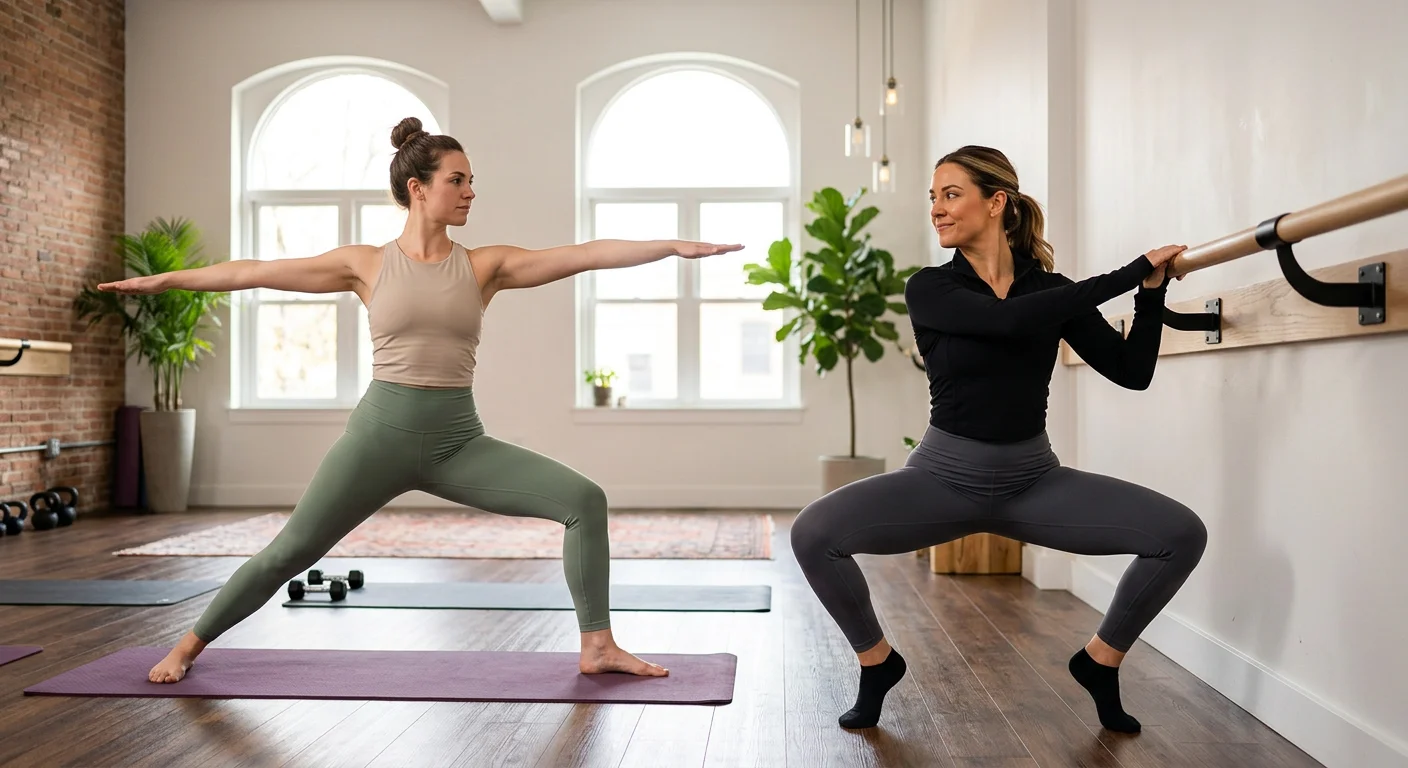
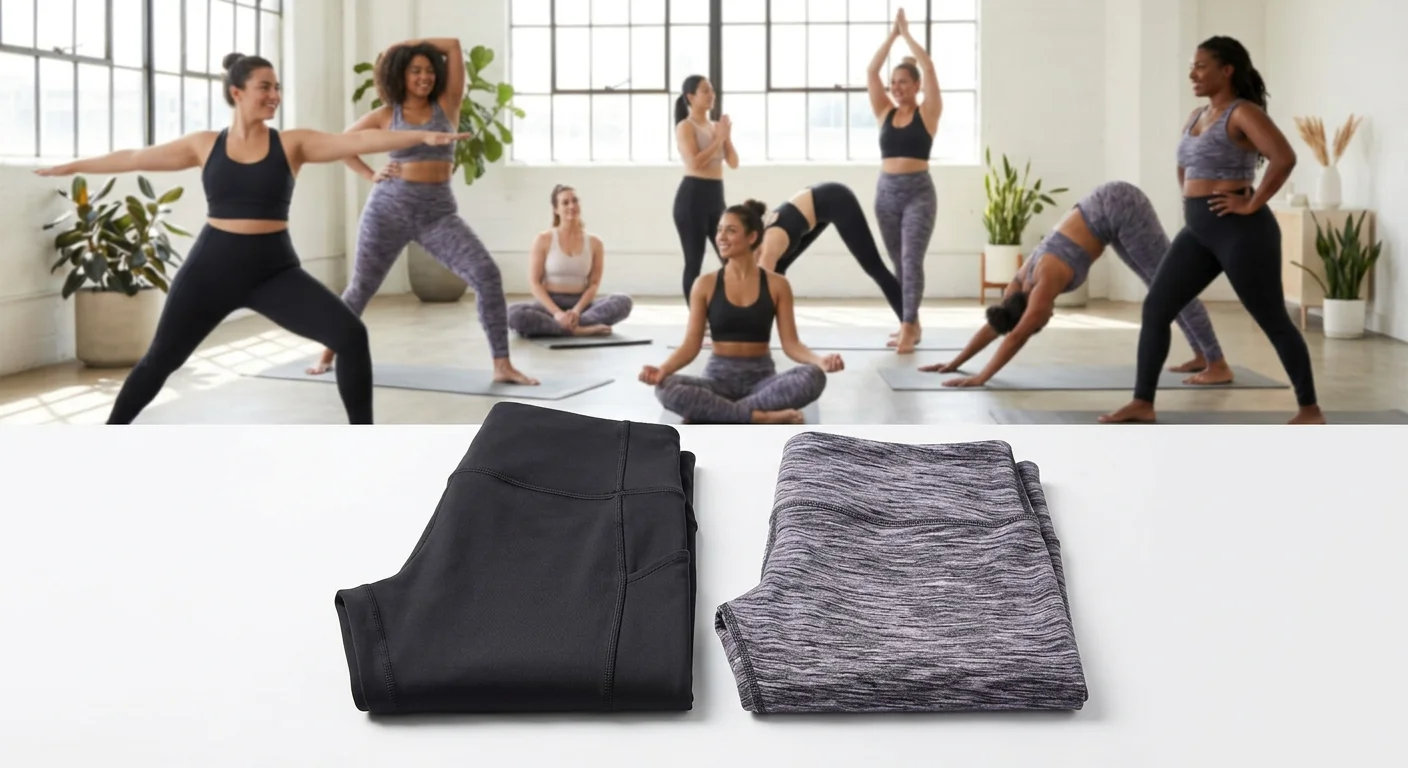
There's something romantic about unrolling your mat beneath an open sky. Morning light filters through the trees. Birds replace a curated Spotify playlist. Fresh air fills your lungs with every inhale.
But your favorite studio feels like a sanctuary for good reason: consistent temperature, a level floor, and zero chance of a rogue gust of wind sending your block tumbling mid-warrior three.For yoga brands and studios looking to create better practice experiences, working with an experienced yoga apparel manufacturer can also help develop clothing designed for different environments, from breathable outdoor sessions to controlled indoor flows.
Outdoor yoga vs. indoor yoga — the honest answer isn't as simple as one being "better" than the other. It's about understanding what each environment does for your body, your mind, and your practice.
Chasing the mindfulness-deepening magic of practicing yoga in nature ? Or optimizing for focus and precision? This guide breaks down what you need to know — across six real dimensions — to practice smarter, not just harder.
Head-to-Head Comparison: Outdoor Yoga vs. Indoor Yoga Across 6 Key Dimensions

The difference between outdoor and indoor yoga goes beyond looks. You feel it in your breath, your balance, your focus, and the mat under your hands. Here's a clear breakdown.For yoga businesses creating collections for different practice environments, custom yoga apparel solutions allow brands to adjust fabrics, designs, and features based on outdoor or studio training needs.
1. Air Quality & Breathing
Step outside and your lungs notice right away. Outdoor yoga gives you unfiltered, moving air. That's a real physical advantage — especially during pranayama work where breath quality counts.
Indoor studios lean on HVAC systems. Natural airflow is limited. A room of 20 people moving through a heated flow builds up CO₂ fast. It's not dangerous. But it's worth knowing — especially if stuffiness bothers you or you practice in a small space at home.
Verdict: Fresh air sessions win on ventilation. Indoor spaces win on climate control.
2. Temperature & Weather Consistency
Indoor yoga has a strong edge here. A controlled studio means your muscles warm up at a steady pace. Your props stay dry. No sudden wind gust throws off your balance poses.
Outdoor practice brings real variables. Morning dew on the grass. Afternoon heat bouncing off concrete. Cloud cover that shifts a summer session from comfortable to draining in minutes. Temperature and yoga practice are closely linked — cool air tightens muscles, and too much heat pushes your body past a useful intensity level.
Verdict: Indoor yoga wins on consistency. Outdoor yoga works well for those who plan around conditions.Yoga companies expanding their product lines can also work with suppliers offering OEM/ODM yoga wear services to develop performance-focused apparel suitable for different climates and practice scenarios.
3. Space & Movement Freedom
Indoor studios set aside 2 to 3 m² per student for standard flow classes. Add props, and that grows to 3.5 to 4 m² . A well-designed 50 m² studio fits around 20 students at 2.5 m² per person. It works, but it's tight.
Outside, that limit disappears. A park lawn or a quiet beach gives you room to stretch out fully, walk between poses, or extend your arms without checking how close your neighbor's mat is. For movement-heavy practices — standing sequences, sun salutation flows, or anything that covers ground — open air wins on space alone.
Verdict: Outdoor yoga gives you more physical freedom. Indoor yoga makes smart use of a fixed space.
4. Focus, Distraction & Mindfulness Quality
This topic has real depth. Outdoor distractions are genuine — a barking dog, cyclists passing by, a hawk circling above. But distraction and mindfulness aren't opposites. Bringing your attention back to your breath through background noise is its own strong concentration practice.
Indoor yoga — in studio settings — cuts out most distractions. Mirrors give you alignment feedback. Teachers cue adjustments without competing with outside noise. For beginners building foundational poses, that focused structure has clear value.
Mindfulness in nature offers something a studio can't match: rich sensory input that pulls your nervous system into the present moment. Research backs this up — time in natural settings links to lower cortisol and better mood.
Verdict: Studios support technical focus. Nature supports deep, nervous-system-level presence. Both count as real mindfulness practice.
5. Measurable Physiological Effects
A study comparing indoor and outdoor yoga found that respiration rate, heart rate, and negative affect scores all dropped after class in both settings. No single environment owns yoga's calming benefits — the practice does the work.
What changes is the feel of the experience, not the core result. Both cut measurable stress. Both lower heart rate. The setting just shapes the path you take to get there.
Verdict: Both work on a physical level. Pick the environment that makes you more likely to show up and practice.
6. Equipment & Mat Requirements
Your indoor mat and outdoor mat should not be the same one. Yoga mats built for outdoor use perform best in PVC or weather-resistant materials . They handle moisture, uneven ground, and easy cleaning. Natural rubber and cork mats grip smooth studio floors well — but they soak up moisture and break down faster on grass or rough surfaces.
Verdict: Match your mat to where you practice. The right gear isn't about taste — it's about grip, safety, and how long your mat lasts.
Dimension | Outdoor Yoga | Indoor Yoga |
|---|---|---|
Air Quality | Fresh, natural circulation | Controlled, can get stuffy |
Temperature | Variable, weather-dependent | Consistent, regulated |
Space | Open, expansive | Structured, allocated |
Focus | Ambient sensory richness | Distraction-minimized |
Physiological Effect | Significant reduction in stress markers | Significant reduction in stress markers |
Mat & Equipment | PVC / weather-resistant | Natural rubber / cork |
Which Type of Yogi Gets More from Outdoor Practice?
Not every practitioner feels the shift the same way. Some yogis step onto grass and soften right away — something in their nervous system knows it's home. Others feel scattered, distracted, a little frustrated. The difference comes down to what you're practicing for .From a product development perspective, choosing the right yoga clothing factory helps brands create garments that support mobility, comfort, and durability across different yoga environments.
Outdoor practice gives the most back to yogis who prioritize these goals:
Balance and proprioception — Uneven terrain, a passing breeze, the soft give of grass underfoot: all of it pushes your body into constant micro-adjustment. That's not a problem to fix. That is the training. You work on inversions, standing poses, or deeper body awareness? Outdoor conditions speed up progress in ways a flat studio floor can't match.
Meditation and mindfulness depth — The sensory richness of nature doesn't pull you away from your practice. For meditation-focused yogis, it becomes the practice. Grounding gets deeper. The mind settles into presence with less effort. Those environmental "distractions" actually sharpen your focus — the same skill that makes seated meditation more sustainable over time.
Stress relief and nervous system reset — Nature exposure links to lower cortisol, reduced muscle tension, and a better mood. Stress relief is your main reason for getting on the mat? Outdoor yoga boosts every benefit the practice already delivers.
Vinyasa and Gentle Yoga both translate well outdoors. Vinyasa's fluid, movement-forward rhythm fits open air and natural light. Gentle Yoga — slower, more restorative — works for practitioners who want a calm experience without the noise and visual clutter of a busy studio.
The practitioner who benefits most tends to be intermediate or advanced. They're comfortable with a changing environment. They care more about mindfulness outcomes than technical precision in a controlled space. They're not after a perfect surface. They want to feel something real.
The outdoors isn't just a change of scenery for that type of practitioner — it's a genuine upgrade.
Who Should Stick to Indoor Yoga (At Least for Now)?
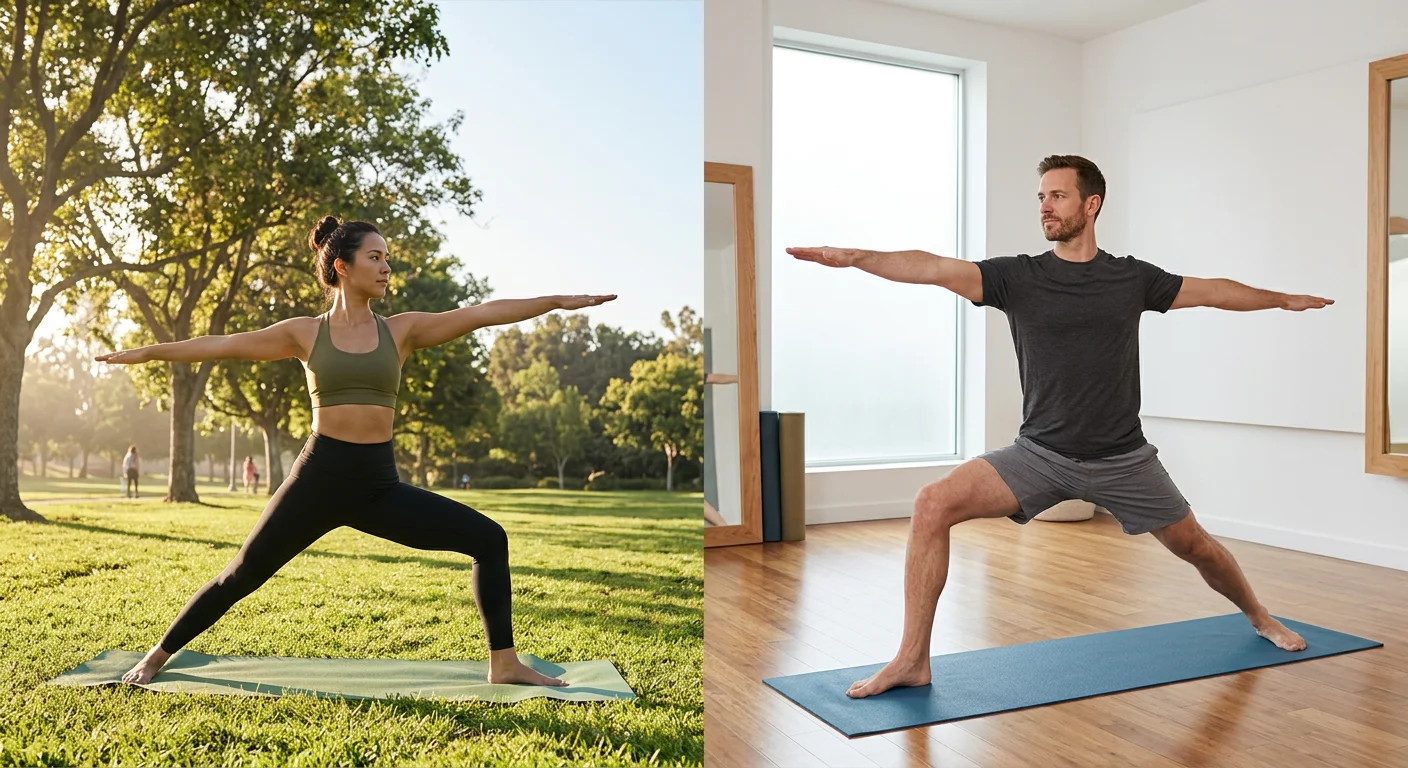
Indoor yoga isn't the consolation prize. For many practitioners, it's the smarter, safer, and more sustainable choice — at this stage of their practice.
Here's who belongs in that category.
You have a respiratory or cardiovascular condition. Cold air, peak pollen counts, and outdoor pollution are real triggers. Asthma, COPD, seasonal allergies — all of these do badly in unfiltered outdoor conditions. A well-maintained indoor space holds temperature in the 20–24°C range and humidity between 40–60%. That cuts bronchospasm risk by a real margin. In cardiac rehab? Clinical guidelines are direct: avoid exercising when the heat index exceeds 32°C or wind chill drops below –10°C. A studio handles those variables for you, every session.This also creates opportunities for yoga businesses to build private label yoga wear collections focused on specific customer groups, such as hot yoga practitioners, outdoor yogis, or studio members seeking premium performance wear.
You're in your first three to six months of practice. Beginners haven't yet built joint-safe alignment into muscle memory. Uneven outdoor surfaces, background distractions, and no teacher nearby make that gap dangerous. Uncertain in your poses more than 30% of the time? Relying on visual demos and hands-on cues to fix your form? An indoor class is doing protective work for you that you can't replicate outside yet.
You need structure to show up on schedule. This one matters more than most people admit. A fixed start time, a pre-booked slot, a familiar group of people — these are what keep a practice alive. Studios with tight, reliable schedules give you far better follow-through than solo outdoor sessions do. Skipping more than half your planned days? That's your answer.
Your body or environment needs more support. Balance disorders, recent falls, post-surgical recovery, pregnancy — none of these are reasons to skip yoga. They're reasons to practice somewhere with firm flooring, two blocks and a blanket within reach, steady lighting, and an instructor who knows how to adjust for your situation.
The outdoors will still be there when you're ready.
The Smartest Answer: How to Combine Both for Maximum Results
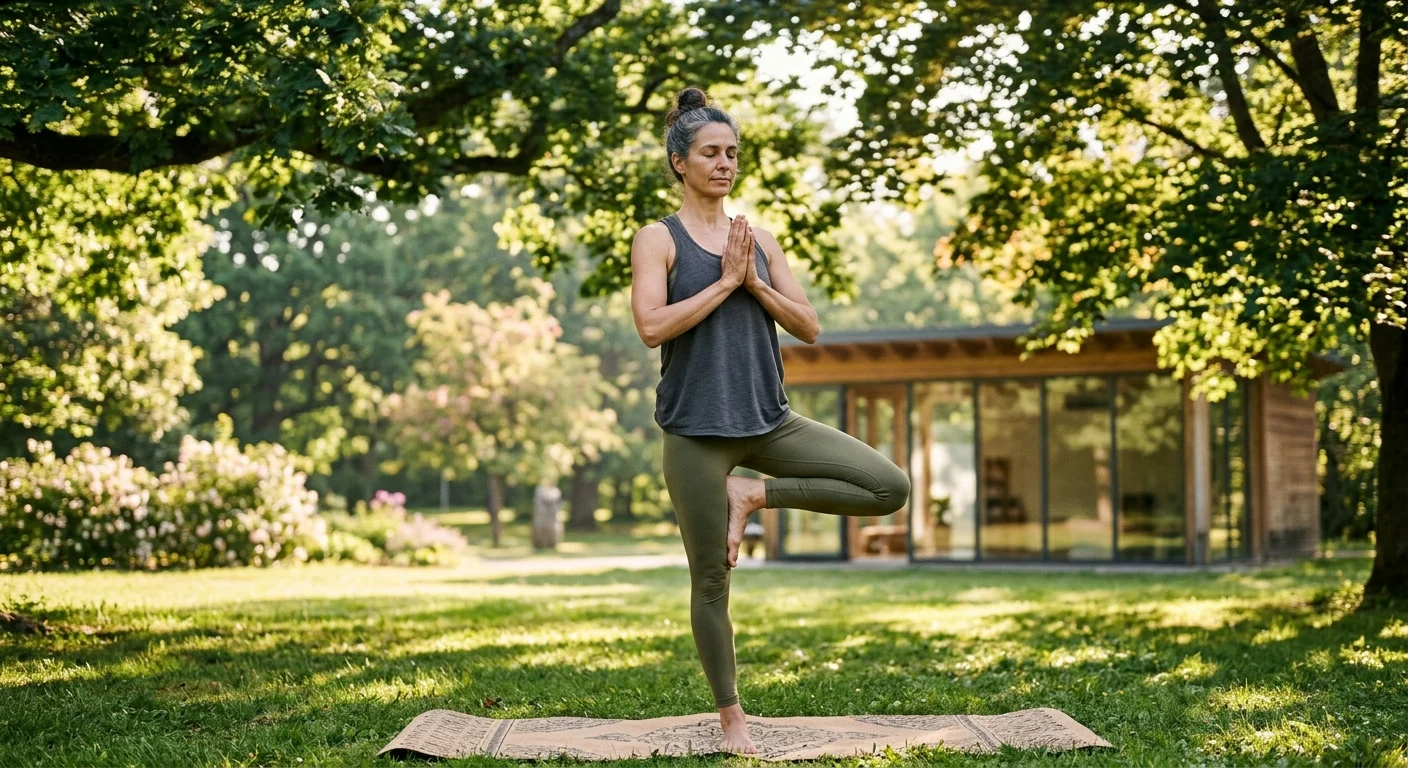
The most experienced yogis don't stick to one environment. They're strategic about both.
Here's the shift that changes everything: outdoor and indoor yoga aren't competing options. They're two different tools. The practitioners who get the most from their practice don't pick a side. They learn what each environment does best — then use it on purpose.
Think of it as a weekly rhythm, not a permanent choice.For retailers and fitness businesses, partnering with a reliable yoga apparel wholesaler can make it easier to stock versatile collections that meet seasonal demand changes between indoor and outdoor practices.
Build Your Practice Around a Two-Environment Week
A simple split works better than most people expect:
2–3 indoor sessions per week for technical work — alignment-focused flows, poses you're still refining, anything that benefits from a mirror, a teacher's eye, or a stable, level surface.
1–2 outdoor sessions for mindfulness depth, nervous system recovery, and a sense of presence that no controlled studio can replicate.
This isn't about doing more. It's about doing the right thing in the right place.
Match the Practice Style to the Setting
Not all yoga styles move well between environments. Being deliberate here makes a real difference.
Take outdoors:
- Gentle and restorative yoga — slower pacing suits natural light and open air
- Meditation-led flows where sensory richness deepens your focus rather than breaking it
- Morning sun salutations, where natural light and fresh air add to the ritual quality of the practice
Keep indoors:
- Inversion work and advanced balance sequences that need a firm, level surface
- Any session where you're learning new poses and need real-time feedback
- Heated or Bikram-style yoga, where temperature control is non-negotiable
The One Equipment Upgrade That Makes It Work
Gear matters. Your studio mat outdoors is the most common mistake — and the one most likely to make outdoor sessions feel frustrating rather than freeing.
A PVC or weather-resistant outdoor yoga mat handles moisture well. It gives you grip on uneven ground. It also cleans up fast after grass or sand. Your natural rubber mat stays where it belongs — on the studio floor. Each tool in its proper place.
The Bigger Idea
There's a quiet confidence that comes from not needing perfect conditions. A practitioner who finds stillness in a park just as well as in a candlelit studio. That adaptability isn't just good yoga — it's good living.
The smartest answer was never which environment wins. It was always: learn what each one gives you, and use both on purpose.
FAQ: Outdoor Yoga vs. Indoor Yoga
These questions come up again and again — from practitioners deciding whether to take their practice outside for the first time, to studio regulars wondering what they're missing. Here are straight answers.
Is outdoor yoga better for you than practicing indoors?
Neither setting is superior. Research shows that stress markers — heart rate, respiration rate, negative affect — drop after yoga sessions in both environments. What changes is the feel of the experience, not the core physical outcome. Outdoor practice may boost mood through nature exposure. Indoor practice supports technical precision. Both deliver results.
What makes outdoor yoga harder on the body?
The surface underneath you. Grass, sand, and uneven soil create ankle and wrist strain risks that a flat studio floor does not. The fix is straightforward:
Check your spot before unrolling your mat
Skip advanced inversions on unstable ground
Cut your session shorter in direct heat or strong sun
The risk stays low — yoga is a low-injury practice overall. But outdoor conditions ask for a bit more attention.
Can I use my regular studio mat outside?
Most people make this mistake. Your natural rubber or cork mat works well on a studio floor. Its open-cell structure and grip do their job there. Outside, that same mat soaks up moisture, wears down faster on rough surfaces, and becomes a cleanup problem after one session on grass.
An outdoor mat made from PVC or weather-resistant material handles moisture well, wipes clean fast, and holds up against sand and soil. One more thing: dark-colored mats fade faster under UV exposure. Factor that in before you buy.
How do I keep my outdoor mat clean?
Clean it right after use. Sand, dirt, and organic material sitting on a mat breed bacteria and fungi fast. Mild soap, water, and a full dry before storage is all you need.
For your indoor mat, wipe it down with a yoga-specific disinfectant spray after each session. That handles the buildup from sweaty studio use.
When is indoor yoga the smarter choice?
A few situations make it clear:
You have asthma, COPD, or seasonal allergies. Outdoor air is an unfiltered trigger. A climate-controlled studio at 20–24°C and 40–60% humidity cuts bronchospasm risk in a way open air cannot.
You're in your first few months of practice. Uneven ground plus no nearby instructor feedback creates alignment risks not worth taking on yet.
You need a fixed schedule to stay consistent. A studio's reliable weekly calendar will outperform even the most scenic outdoor spot. Consistency matters more than most people admit.
What's the best time of day for outdoor yoga?
Morning or late afternoon. Both dodge peak UV exposure and midday heat. Those conditions push your body past a useful intensity threshold faster than you'd expect. Most outdoor wellness sessions get scheduled in these slots for good reason.
Bring water. Also, plan for a shorter session than you'd do indoors.
Do I need to choose one or the other?
No — and experienced practitioners rarely do. A good rhythm looks like this:
2–3 indoor sessions per week for technical work
1–2 outdoor sessions per week for mindfulness depth and nervous system reset
That mix gives you the consistency of controlled conditions and the restorative quality that comes from breathing fresh air outside.
Conclusion
The mat doesn't care whether it's resting on hardwood floors or dewy grass — you do. And that's the point.
Outdoor yoga gives you something no studio can offer. You get the grounding hum of the natural world. Fresh air fills your lungs. Sunlight wakes up your nervous system. Indoor practice gives you consistency, control, and focused stillness. That stillness builds real technical skill. Neither is better. Both matter.
The practitioners who last longest aren't the ones who picked a side. They're the ones who stayed curious. They let the season, the mood, and the moment guide them.
So here's your next step: take this week's practice outside, even just once. Grab a yoga mat built for outdoor use , find a patch of morning light, and notice what shifts. Then come back inside, and notice what shifts there too.
Your practice was never meant to live in one place.For brands planning their next yoga apparel collection, comparing supplier capabilities, quality standards, and yoga wear wholesale price options can help build a product range that balances performance, customer expectations, and business growth.