From a modest Austin living room to a global movement of 10+ million people, Adriene Mishler cracked something most yoga instructors — and most content creators — never figure out. She built an audience that stays .
It wasn't a slick production budget. No marketing agency pulled strings behind the scenes. She just understood something counterintuitive about the internet before most people caught on. Authenticity, generosity, and a dog named Benji beat any growth hack.
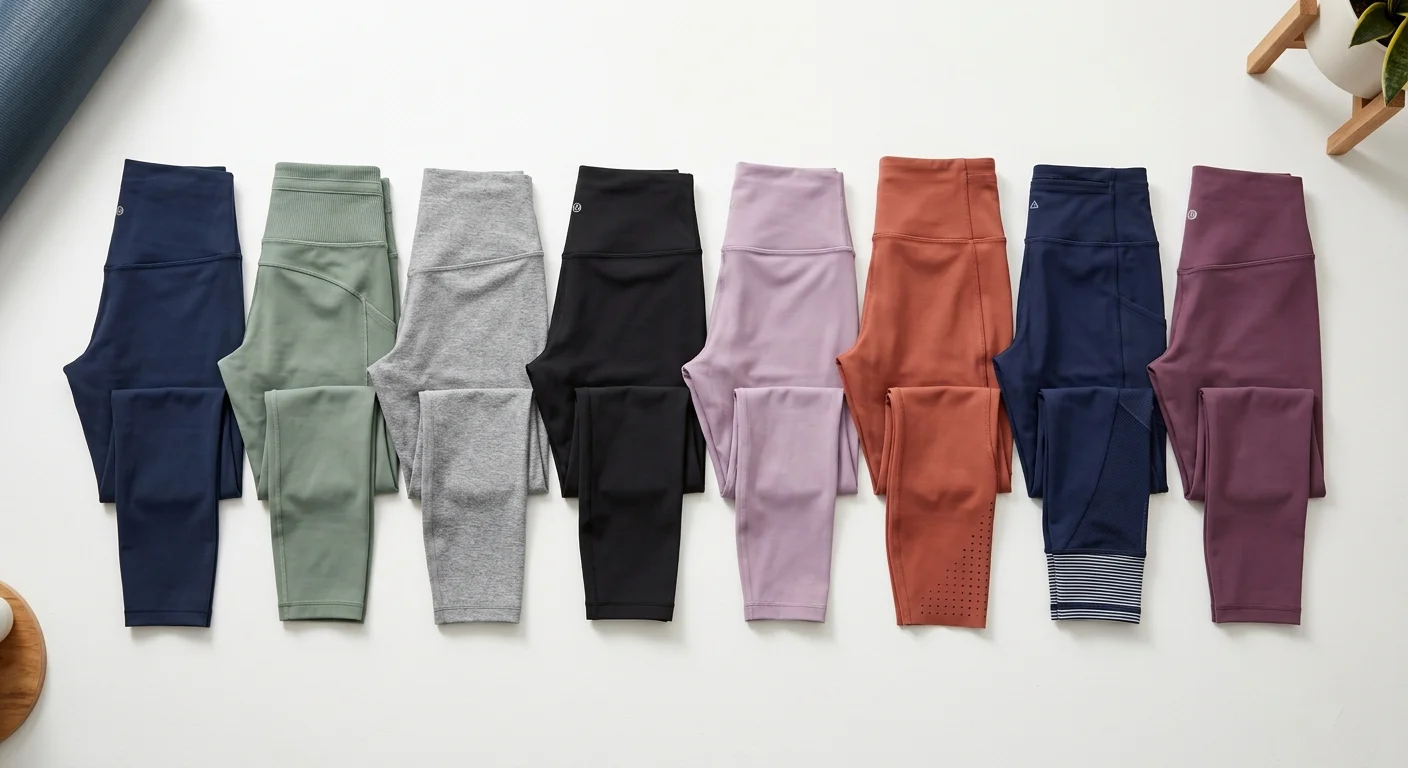
So you're building an online yoga business right now — or wondering if you should. The good news: her success is less mysterious than it looks. It's also far more replicable than you'd expect.For entrepreneurs planning to expand beyond content, partnering with an experienced yoga apparel manufacturer can also help transform a growing community into a complete lifestyle brand with branded products.
From Living Room to 10M+ Subscribers: The Adriene Mishler Origin Story
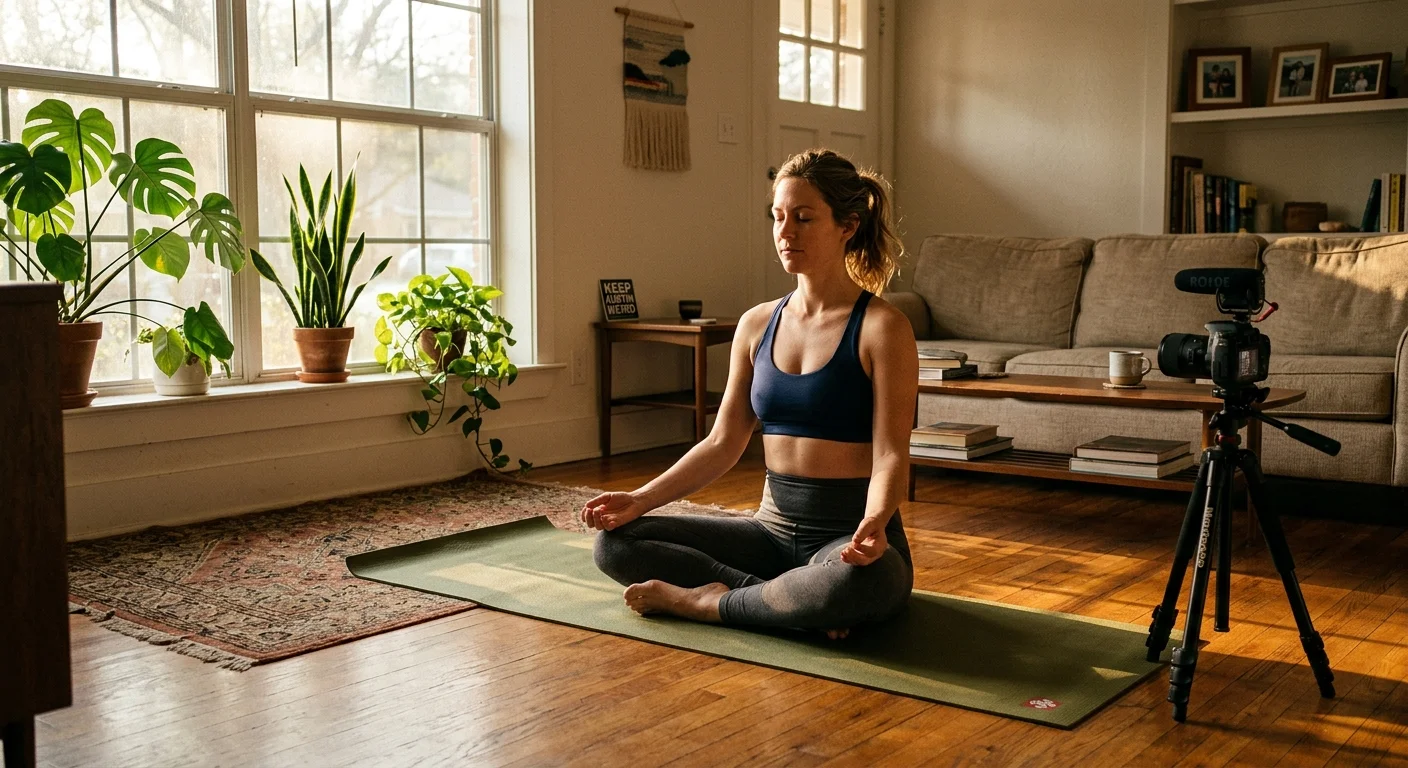
September 2012. A yoga mat on a living room floor in Austin, Texas. A basic camera. Natural light doing the heavy lifting. No studio. No production crew. Just Adriene Mishler, her producer Chris Sharpe, and one bold idea — that full-length, free yoga classes could build a global audience on YouTube.
That's the whole origin story. No dramatic pivot. No venture capital. No overnight viral moment. Just two people with a clear strategy and the patience to execute it, week after week.
Sharpe had done this before. He'd already grown Hilah Cooking into a successful YouTube channel. That meant he brought real, tested knowledge to the partnership. He knew how YouTube works — thumbnails, watch time, searchable titles, upload consistency. From day one, Yoga With Adriene ran on deliberate SEO thinking. Titles like "Yoga for Back Pain" and "Morning Yoga" weren't accidental. Each one targeted what people were already typing into the search bar.
The results built up slow. Then they hit fast.
2015: The channel earned recognition as one of Google's most-searched fitness destinations. Adriene launched Find What Feels Good — a paid subscription platform built on top of the free YouTube channel.
2019: 4 million subscribers. Live events filled venues with up to 2,000 attendees.
2020: Lockdowns hit. The world needed what she'd spent eight years building. The channel "exploded," per GQ — jumping from 4–5 million to over 8 million subscribers within months.
Early 2020s: 11 million subscribers. 600 million+ views. The channel later surpassed 13 million subscribers and, given the depth of its catalog, stands to cross 1 billion total views .
The growth stuck — rather than spiked and faded — because of the production model itself. The living-room aesthetic wasn't a budget limitation the team outgrew. It was the product. Accessible. Unhurried. Human. It told every new viewer: this is for you, wherever you are.
That's the origin story. Unglamorous in its beginnings. Extraordinary in its outcomes.As communities grow, many creators also introduce custom yoga products that reflect their brand identity, giving loyal followers another way to engage beyond online classes.
Lesson 1: A One-Sentence Mission Is Your Most Powerful Growth Engine
Three words built a global movement: Find What Feels Good.
That's not a tagline. That's a compass. Every video title, every script opening, every community post Adriene and her team published points back to that same true north. That consistency — more than any algorithm trick — turned a YouTube channel into a living, breathing ecosystem.
Notice what "Find What Feels Good" does not say. It doesn't promise a flatter stomach. It doesn't guarantee faster splits. The language is anti-performance by design: move with care, breathe deep, make space for stillness. Brand promise and content language work as one unified voice here. The mission isn't parked in an About page. It lives in every sentence the brand speaks.
That distinction is huge for your yoga business.
A mission clear enough to live inside your content — not just your bio — changes how potential students decide. They stop asking "Is this course worth the price?" They start asking "Does this brand match who I want to be?" That's a much easier question to say yes to. It converts on identity, not features.
The practical formula is simple:
Who you serve + What outcome you promise = your growth engine
"We help busy beginners build a sustainable yoga habit through short, accessible practices."
"For stressed parents, we are the yoga membership that helps them feel calmer without needing an hour-long class."
Here's the honest test: delete your brand name from your homepage copy. Can a stranger still tell who you serve, what you solve, and why you exist? If the answer is no, you don't yet have a mission — you have a description. FWFG passes that test with ease. Your brand should too.The same clarity becomes valuable when working with suppliers offering OEM/ODM yoga wear services, ensuring every product aligns with the mission and positioning your audience already recognizes.
Lesson 2: Free Content Is Not a Cost — It's Your Most Strategic Investment

Adriene gave away everything first. For three full years, there was no membership, no premium tier, no course behind a paywall. Just a growing library of full-length yoga classes — free, building steadily on YouTube.
That wasn't naivety. It was architecture.
By the time Find What Feels Good launched around 2015, the audience didn't feel sold to. They felt grateful for the chance to give back. Comments in the community read like thank-you notes: "Finally, a way to support her." That's not a marketing outcome. That's a trust outcome — and it took three deliberate years to earn.
The numbers behind that trust are worth studying:
650+ free videos now live on the channel, totaling over 1.3–1.5 billion views
Annual 30-day challenge series — TRUE, HOME, CENTER — each one delivers 10–15 hours of structured, zero-cost instruction
Individual videos run 15–40 minutes : long enough to replace a paid studio drop-in for real
Each challenge came bundled with a free daily email sequence . Those emails turned YouTube viewers into an owned email list. That list became the launch runway for FWFG.
For your yoga business, the replicable model looks like this:
Build a starter library of 20–30 free videos before pushing any paid offer
Aim at least 35–40% of your content at true beginners — people who need to go from zero to confident before they'll spend a dollar
Launch one 7-day free challenge with daily emails to start building your list and your community's sense of shared rhythm
The signal to introduce paid offerings? Students start asking for more. They request structured progressions, leave long personal comments, and share practice photos on their own. That's not an algorithm metric. That's a relationship ready to go deeper.
Free content, done with intention, is your highest-ROI investment. It just pays on a longer timeline than most people are willing to wait for.Once that trust is established, many successful yoga businesses naturally expand into private label yoga apparel and accessories to strengthen customer loyalty and diversify revenue.
Lesson 3: Consistency Over Virality — Why the Slow Build Always Wins
Here's a number worth sitting with: 150,000 subscribers in 2015. 9.47 million by 2021. 13 million by January 2025.
That's not a viral spike. That's a compound interest chart. It's what a searchable archive of 750+ videos builds over time.
Adriene never chased the algorithm's latest obsession. She just showed up. Same commitment. Same living room energy. Same 30-day challenge structure — quarter after quarter, year after year. By 2020, she was the highest searched yoga content on YouTube. Not because one video exploded. Hundreds of videos piled up over time. Each one became another entry point for a new student searching "yoga for back pain" at 11pm.
That's the real growth engine: a library, not a lottery ticket.
What this looks like in practice for your yoga business:
Publish evergreen-first. Focus on topics that stay useful year-round — beginner yoga, stress relief, flexibility, breathwork. Each video adds to your discoverability as your archive grows. More videos mean more search entry points.
Run one 30-day challenge per quarter. This single format drove Adriene's biggest growth jumps. It's structured, bingeable, and builds audience habit at the same time.
Batch your production. Film a full month of content in one or two shooting days. Then release on a fixed schedule — at least one video per week for solo operators. This keeps output steady without burning you out.
Think in theme clusters. One topic becomes five to ten assets: a long video, short clips, an email, a PDF. Your library grows bigger. Your workload stays the same.
A solid annual target: 52 evergreen videos — or 12 theme bundles per year, with four core videos plus four short clips each. That's 96 pieces total. No need for creation every single day.
Slow, searchable, and consistent content outlasts the one-hit wonder. Every time.Consistency also matters behind the scenes—choosing a dependable activewear factory helps growing brands deliver products that match the quality expectations created by their content.
Lesson 4: Emotional Warmth Is a Brand Differentiator, Not a Soft Skill
Adriene Mishler has been called the "Mr. Rogers of yoga." That comparison isn't about being gentle or soft-spoken. It's about something far more strategic: making every person who shows up feel safe enough to stay .
This is a business decision, not a personality quirk.
Her language does specific, deliberate work. Phrases like "we're in this together" and "you don't have to be flexible to do yoga" cut through the anxiety that pushes beginners away from most fitness platforms. Affirmations like "You are worth it" and "move like you love yourself" shift the goal entirely — away from performing a pose the right way, toward just showing up for yourself. That shift — from technical instruction to emotional support — is what keeps students coming back past week four. Most fitness platforms lose 60–70% of their users by then.
The camera work reinforces it. Mid-range shots. Direct eye contact with the lens. A living room. A dog. Soft light. Every production choice sends the same message: this is not a performance for an audience — this is a conversation between two people.
The business case is concrete:
Emotional-support-driven wellness platforms see 20–30% higher 8-week retention compared to instruction-only content
Brands that connect on an emotional level generate 2–3x more UGC — personal stories, journal-style comments, practice reflections — compared to technique-focused competitors
Warm, "approachable" brand language drives 40%+ of new users through personal word-of-mouth referrals
For your yoga brand, here's the action checklist:
Every piece of content needs three things: one empathy sentence, one self-worth affirmation, one "journey not highlight reel" framing
Cut shame-coded language: no "burn off those calories," no "real yogis only"
Dedicate 30–40% of your script to emotional support, not movement cues
Reply to at least 20 emotionally vulnerable comments per week — put first-timers and frustrated users first
Build one community theme each month around feeling , not skill: "Share how this practice made you feel today" beats "Post your handstand progress" every time
Warmth, done at this level of intention, isn't soft. It's your most defensible competitive advantage.As communities expand internationally, partnering with a trusted yoga apparel wholesaler can make it easier to supply retail partners, studios, and wellness businesses while maintaining a consistent brand experience.
Lesson 5: Build Around Search Intent, Not Just Content You Love
Most yoga instructors plan their content around what excites them . Crow pose progressions. Chakra deep-dives. That flow sequence they've been refining for three years. All of it beautiful — and almost none of it what a stressed-out beginner types into Google at 10pm.
Adriene and Chris Sharpe got this from day one. Titles like "Yoga for Back Pain" and "Morning Yoga" weren't passion projects. They were answers to questions real people were already asking. That's the core insight: great search-driven content doesn't drop authenticity — it aims authenticity at a target.
The data backs this up. According to Ahrefs, 94% of keywords get fewer than 10 searches per month — but high-intent long-tail terms like "yoga for beginners at home 20 minutes" convert at 2–3x the rate of broad terms like "yoga." Pages that match search intent see click-through rates lift 20–50% , bounce rates drop 15–30% , and conversion rates more than double.
Here's the practical framework. Start using it now:
Start with Google Suggest. Type "yoga for…" and write down every autocomplete result. Each one is a real human problem waiting for your answer.
Map content to intent type:
Informational ("how to start yoga at home") → free videos, beginner guides
Commercial ("best online yoga program") → comparison pages, case studies
Transactional ("yoga membership sign up") → pricing and enrollment pages
Go for mid-volume, low-competition long-tails. Terms like "10 min morning yoga stretch for stiff body" or "gentle yoga for stress relief beginner friendly" face less competition and attract ready-to-act visitors. Use free tools like TubeBuddy or VidIQ to find them fast.
Mine Reddit for real language. Search
"yoga for beginners reddit"and collect the exact phrases real people use: "small apartment," "no equipment," "stiff back." Pull those words straight into your titles and descriptions. This closes the gap between what you publish and what your audience searches for.
Love your content and make it findable. Those two goals don't clash — they're your competitive advantage, working together.
The Replicable Growth Playbook: Your 90-Day Action Framework
Adriene didn't build 13 million subscribers in 90 days. But she did build the foundation for all of it through that kind of focused, sequential, unglamorous work. The good news: that foundation is mappable.
Here's the 90-day skeleton — phase by phase, output by output.
Days 1–30: Get Specific, Get Found, Get Started
Before you film a single video, narrow your audience down to one or two clear, workable groups. Not "all women who like yoga." Think: office workers with tight hips , new moms rebuilding core strength , complete beginners who are a little embarrassed to try . The more specific you get, the more searchable you become.
Then build your starter library:
Produce 10 evergreen core pieces — videos, guides, or both. Organize them around entry-level questions, common pain points, and real-life practice scenarios like morning energy, desk stress relief, and pre-sleep wind-down
Complete your foundational SEO setup : titles, descriptions, keyword mapping, internal links, and a basic tracking tool. You want to know what's working from week one
These 10 pieces aren't just content. They're permanent traffic assets. They keep pulling in new visitors in the background, long after you publish them
The goal of Month One is simple: be findable before you worry about being famous.
Days 31–60: Build the Habit Loop
Launch your first 30-day challenge series — the same format that drove Adriene's steepest audience jumps. Keep it consecutive and themed. Design it so students want to come back the next day.
Also, start building your owned audience channel. An email list or private community group takes a passive YouTube viewer and turns them into someone you can have a real conversation with. That list becomes your launch pad for every paid offer you create later.
This phase isn't about scale. It's about repetition building trust . Early feedback shows you which topics your audience wants more of — so pay attention.
One key action : run a short, informal survey at Day 45. Ask what's helped most, what they'd watch next, and what format they'll stick with.
Days 61–90: Look at the Numbers. Then Charge Something.
By now you have data. Use it.
Track three things above all else: watch time, engagement rate, and search traffic share . Long watch time means your content earns attention. High engagement means your community is forming. Search traffic means strangers are finding you on their own, without you doing anything extra.
See where those three overlap. That's your next content investment.
Then test one low-barrier paid offer:
A single-topic workshop (live or recorded)
A mini-course built from your best-performing evergreen content
A membership pre-sale with early-bird pricing and honest scope
You're not building a product empire here. Run one clean experiment with minimal risk. Find out whether your audience is ready to pay before you build something big. That's the whole point.
The 90-Day Scorecard
Keep your focus sharp. By Day 90, aim for these outputs — nothing more, nothing less:
Output | Target |
|---|---|
Evergreen content pieces | 10 |
Series content | 1 × 30-day challenge |
Owned audience channel | 1 email list or private group |
Core metrics tracked | Watch time · Engagement · Search traffic |
Monetization test | 1 low-barrier paid offer |
Adriene took eight years to hit a million subscribers. She also made videos that still rank — and still convert strangers into devoted students — a decade later. That's what a real foundation looks like. Yours starts in the next 90 days.
How to Monetize Without Losing Community Trust
Three years. That's how long Adriene gave before she asked for anything in return.
The math matters: Yoga With Adriene launched in 2012. The Find What Feels Good membership didn't show up until around 2015. By then, the channel had already built a loyal audience that kept coming back. Subscribers didn't feel sold to. They felt invited.
That timing is the whole lesson.
The structure she built looks simple — but it's deliberate:
YouTube content stayed 100% free — no classes moved behind a paywall
Ads ran before and after videos, skippable, non-intrusive
The membership tier ( $12.99/month or $129.99/year ) served as an upgrade , not a replacement
Courses used a "pay what feels good" pricing option — a phrase that works three ways at once: brand voice, pricing philosophy, and trust signal
That last point is worth sitting with. Your pricing language mirrors your mission language. So the commercial moment stops feeling commercial. It just feels consistent.
The 80/20 rule works well as a practical guide here: keep at least 80% of your content pure value — teaching, community, storytelling. Reserve 20% or less for soft mentions of paid offers. High-trust communities are sensitive to that ratio. Push past it too soon, and the whole thing falls apart.
Look for these signals before introducing any paid offer:
Your audience is asking for more — deeper content, structured progressions, longer series
You've kept up consistent free output for at least 12–18 months
Your audience has a clear, stable sense of what you stand for
The paid layer should feel like a natural next room in a house they already live in — not a door that needs a key out of nowhere.
Conclusion
Adriene Mishler didn't build a 10-million-subscriber empire by chasing algorithms or obsessing over production quality. She built it by showing up — steady, warm, and clear about who she was there to serve .
That's the real lesson underneath all five lessons.
Your yoga business doesn't need to be louder, flashier, or more polished than the competition. It needs to be more you . Pick a mission sharp enough to cut through the noise. Make it generous enough to build real trust. Then give it time to grow.
The path Adriene walked is documented. The playbook is right here.
So the question worth asking is: what does your version of "Find What Feels Good" look like?
Start there. Write your one-sentence mission. Publish your first piece of content that answers what your audience is already searching for. Treat your audience like a community — even before it feels like one.
The mat is yours. Step on it.If your long-term vision includes branded yoga products, comparing supplier capabilities alongside yoga gear wholesale price can help you scale sustainably without compromising the values that attracted your audience in the first place.