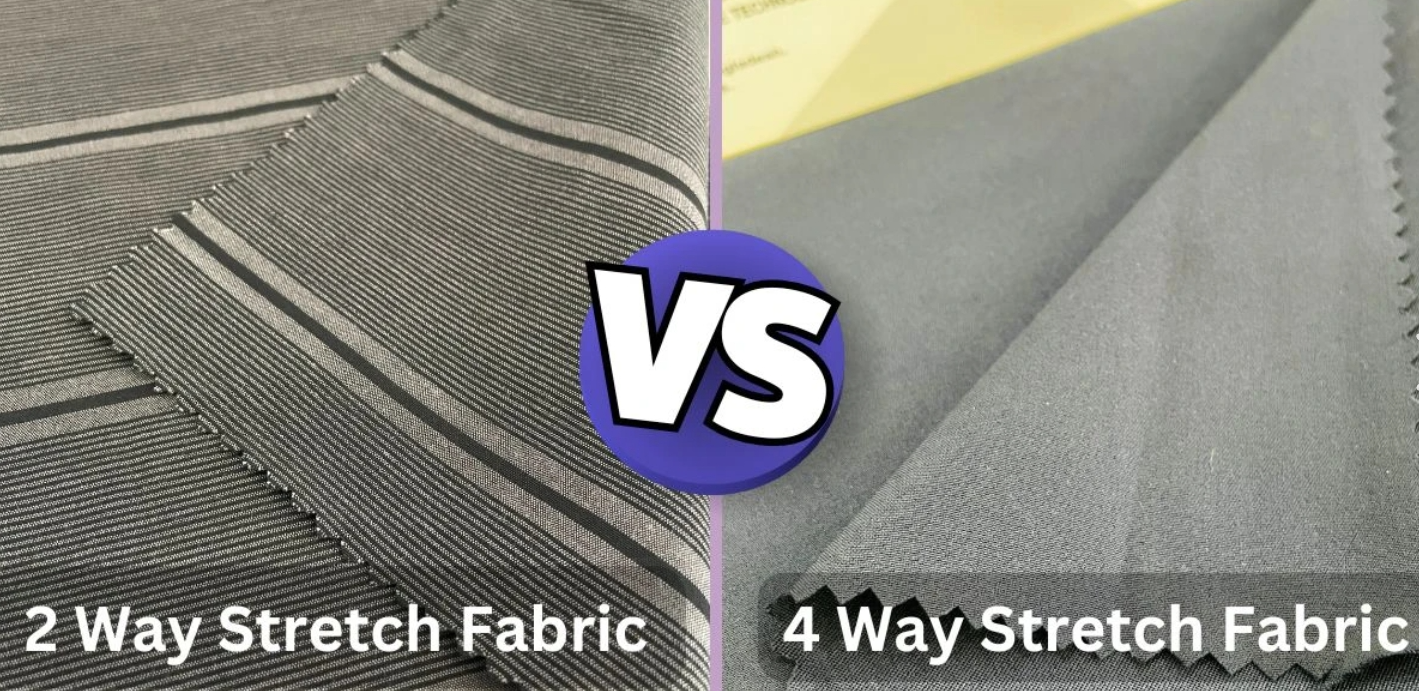
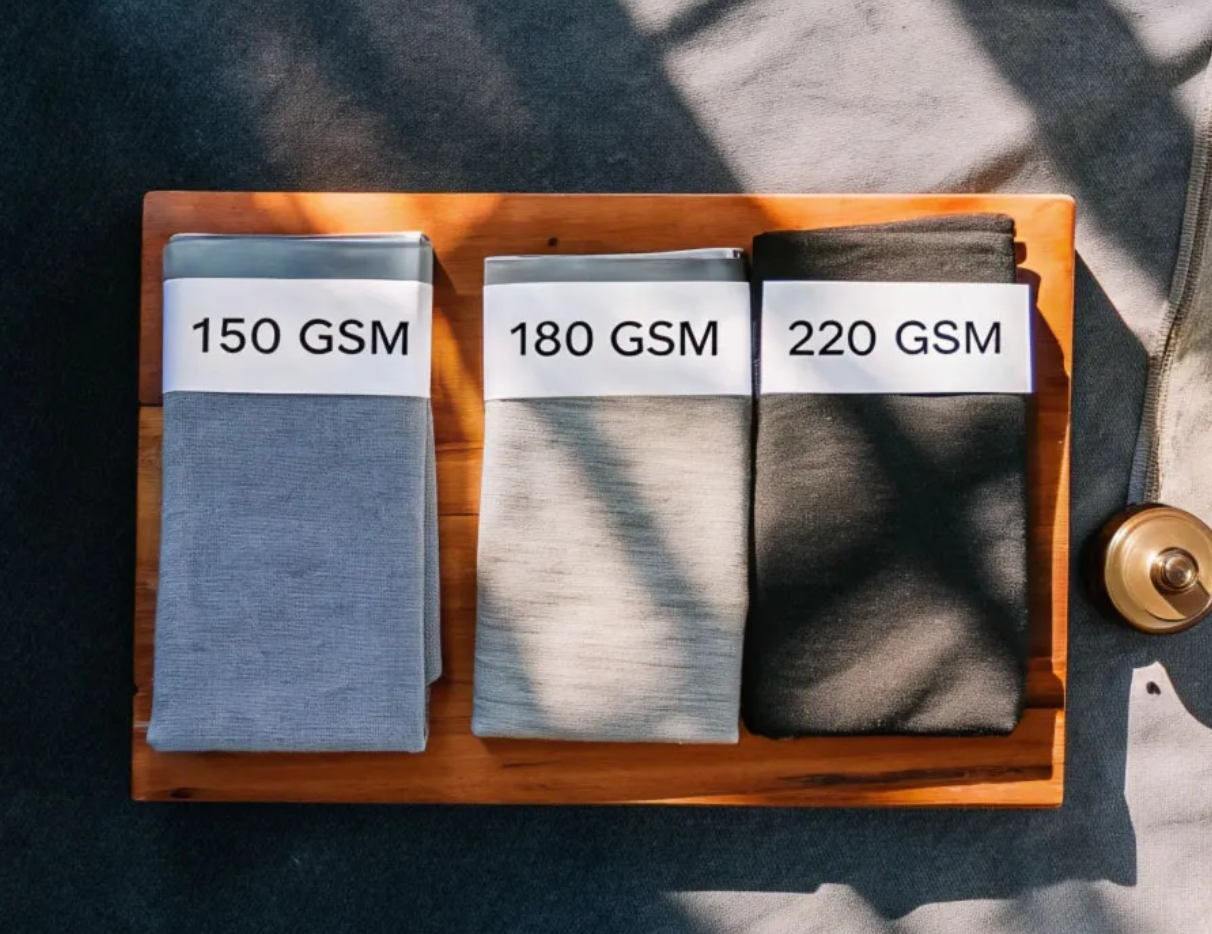
Choosing between French textile manufacturing and local Canadian production is more than a cost question. This decision shapes your seasonal launch calendar, your cash flow, and your brand's ability to scale.
Most guides say Europe offers "premium quality" while domestic sourcing means "faster turnaround." Then they leave you to figure out the math yourself. That's not good enough with real money on the line.
Here's what you need:
Per-unit cost breakdowns across fabric, cut-and-sew, duties, and freight
Real lead time windows from sample approval to your warehouse door
A clear answer on whether CETA moves the needle on your landed costs
This guide gives you all of that — built for Canadian private lable activewear brands making this sourcing call right now.
Direct Cost Breakdown: French vs Canadian Yoga Leggings Manufacturing
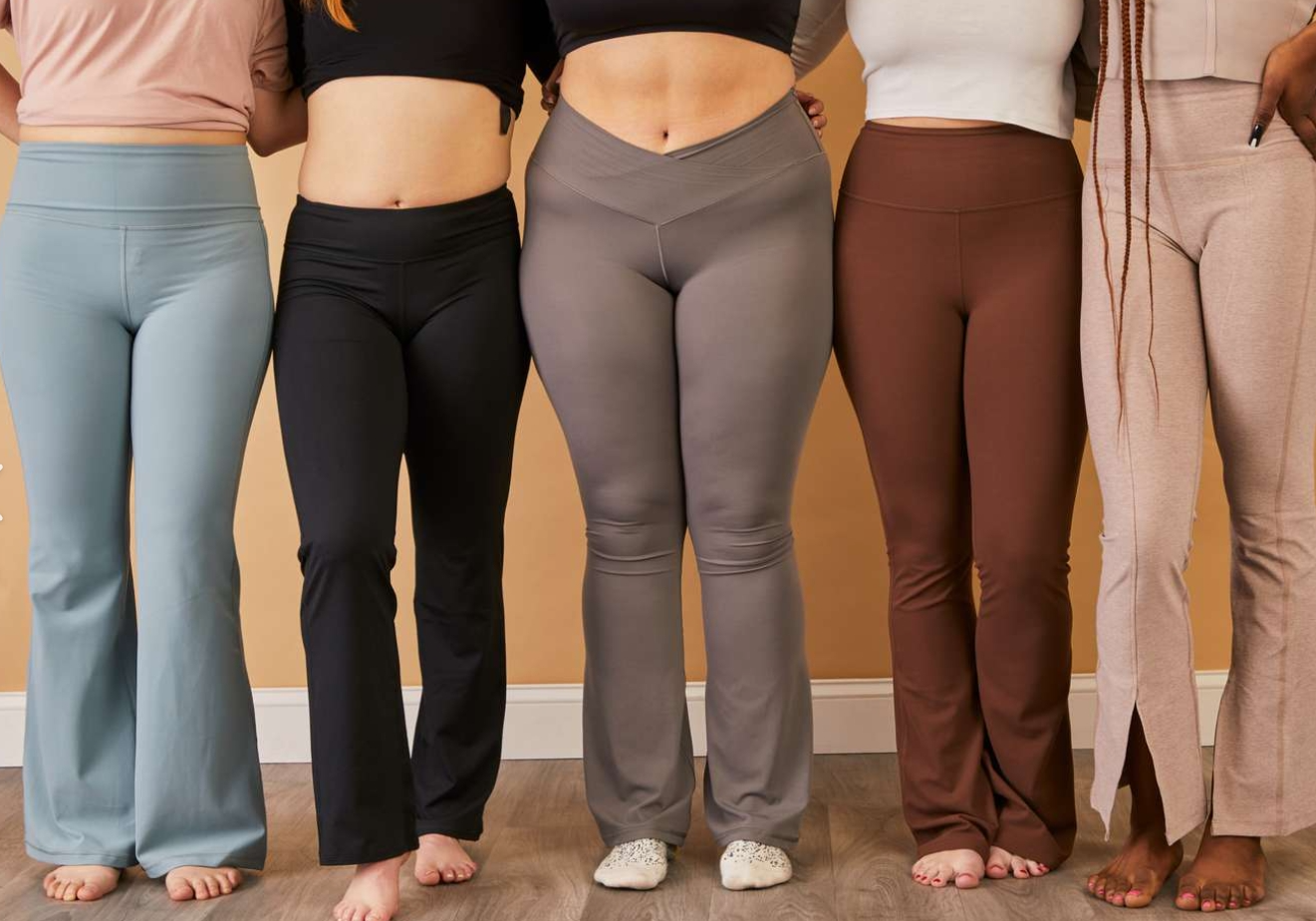
Most sourcing guides skip the real numbers. Here's the full picture — and the "France vs Canada" debate is more interesting than you'd expect.
Let's build the cost stack from the ground up.
Take a premium 250–300 gsm nylon/elastane yoga legging. The kind that competes with Lululemon's Align tier at CA$90–$120 retail. Your total manufacturing cost — fabric + CMT + trims + factory margin — should hit 20–30% of retail price . That's your target window. Everything below is about which country gets you there faster.
The Full Cost Comparison Table: France vs Canada (500–1,000 Units, Premium Build)
Cost Dimension | France (FOB France, CETA-qualified) | Canada (Domestic Cut & Sew) |
|---|---|---|
CMT — Simple Legging | €6–€10/unit (~CA$9–$15) | CA$8–$14/unit |
CMT — Complex Legging (pockets, flatlock, gusset) | €10–€13/unit (~CA$14–$18) | CA$12–$19/unit |
Performance Fabric (250–300 gsm, 4-way stretch) | €6–€10/unit (Italian/Portuguese mills) | CA$5–$10/unit (Korean/Taiwanese imports) |
Trims & Packaging (elastic, labels, polybag, carton) | €0.80–€1.50/unit (~CA$1.20–$2.20) | CA$1.00–$2.00/unit |
Factory Overhead & Margin | +25–40% on direct costs (higher for pilot runs) | +20–40% on direct costs |
FOB Price — Full Package | €14–€22/unit → CA$20–$29/unit | CA$18–$26/unit |
Ocean Freight to Canada | CA$0.40–$0.80/unit (LCL) | CA$0.30–$0.80/unit (domestic) |
Air Freight (rush) | +CA$3–$5/unit | N/A |
Import Duty — MFN Rate | ~17–18% of customs value = CA$3–$5/unit | $0 (domestic) |
Import Duty — With CETA | $0 (if rules-of-origin compliant) | $0 |
Total Landed Cost (CETA qualified) | ≈ CA$25–$28/unit | ≈ CA$22.50–$24.50/unit |
Total Landed Cost (No CETA / MFN) | ≈ CA$29–$31/unit | ≈ CA$22.50–$24.50/unit |
Where the Real Cost Gap Lives
Here's what the table is telling you straight.
At the FOB level, France and Canada are closer than you'd expect. For 500–1,000 units at comparable quality specs, the mid-point variance between French and Canadian FOB pricing sits at ±10–15% . Canada edges out France on CMT — not because French labor costs far more (French ateliers run €13–€15/hr vs Canadian sewing wages of CA$16–$22/hr), but because Canadian cut-and-sew shops focused on activewear are sharp competitors on simple legging builds.
The swing variable is duty. This is where most brands lose CA$3–$5 per unit for no good reason.
Import French-made leggings without proper CETA documentation, and you're paying Canada's MFN tariff on synthetic knit garments — 17–18% of customs value . On a CA$25 customs value, that's an automatic CA$4.50 penalty per unit. At 1,000 units, that's CA$4,500 gone — straight from a paperwork gap.
Get your CETA documentation clean and your origin records in order. That duty drops to zero . Your French-made legging lands at CA$25–$28/unit — within CA$2–$4 of equivalent Canadian production.
What This Means for Your Margin Model
Run the markup math both ways:
CA$25 landed (France, CETA) → wholesale at 2.2× = CA$55 → retail at 2× = CA$110 retail . Landed cost is 23% of retail. That's the target zone for a premium yoga brand.
CA$23 landed (Canada domestic) → same multiples → CA$100–$105 retail . Landed cost sits at 22–24% of retail.
Both structures support a 4–5× markup on landed cost — the standard for Lululemon-comparable positioning. The gap isn't about whether you can build a profitable margin. It's about how much execution risk you take on to get there.
France demands more attention — fabric origin certification, CETA Form A documentation, longer payment cycles. Canada costs more per unit on complex builds, but cuts out the compliance layer completely.
The honest bottom line: For 500–1,000 units at premium quality, Canada wins on landed cost predictability by CA$2–$4/unit. France wins on brand story and fabric provenance — but only if you put in the CETA work.
CETA Tariff Rules & Landed Cost Calculation Framework
Here's a number that should stop you cold: CA$4,790 .
That's how much a 1,000-unit order of French-made yoga leggings costs you in unnecessary import duties — if you ship without CETA qualification. Not because of bad fabric. Not because of poor quality control. Because of a paperwork gap.
The Canada-European Union Comprehensive Economic and Trade Agreement wiped out tariffs on most EU apparel when it took effect in 2017. For synthetic knit garments — your yoga leggings — the CETA preferential rate is 0% . The MFN fallback rate is 18% on dutiable customs value. That 18-point gap is the most underestimated cost factor in French apparel sourcing for Canadian brands right now.
But here's what most sourcing guides won't tell you: CETA's 0% rate isn't automatic . It's conditional. The conditions are strict enough to knock out a large share of "Made in France" production that uses imported Asian fabric.
The Rules-of-Origin Trap Most Brands Fall Into
CETA applies a fabric-forward origin rule to most HS Chapter 61 knit garments. That includes your leggings, classified under HS 6104.63 or HS 6114.30/40.
What that means in practice:
The knit fabric must be formed in the EU or Canada — not just cut and sewn there
Cutting and sewing in France using Chinese or Korean fabric stock? That does not qualify for CETA preference
Using Italian or Portuguese mill fabric knit within the EU? That qualifies
This is the distinction that kills CETA claims for brands who never asked their French factory one key question: "Where was the fabric knitted?"
There's a de minimis tolerance — up to 10% of ex-works price can be non-originating material. But textile-specific rules limit how you can use it. You cannot use the tolerance clause to get around the fabric-forward requirement on your primary fabric. Don't try.
The Exact Landed Cost Calculation: CETA vs MFN
Let's run the real numbers. Same 1,000-unit order. Same French factory. Same legging spec. The one variable is whether your CETA documentation is in order.
Input Assumptions
- FOB France: CA$26.00/unit (CA$26,000 total)
- LCL ocean freight + marine insurance: CA$0.60/unit
- Docs, terminal handling, forwarder fees: CA$1.00/unit
- Dutiable customs value (CIF-basis): CA$26.60/unit
- MFN duty benchmark: 18% on dutiable value
- CETA duty: 0% (if origin-qualified)
Cost Component | Scenario A: CETA Qualified | Scenario B: MFN (Non-Qualified) |
|---|---|---|
FOB Product Cost | CA$26.00 | CA$26.00 |
Ocean Freight + Insurance | CA$0.60 | CA$0.60 |
Docs / Terminal / Handling | CA$1.00 | CA$1.00 |
Import Duty | CA$0.00 (0% CETA) | CA$4.79 (18% × CA$26.60) |
Landed Cost Per Unit | CA$27.60 | CA$32.39 |
Total Landed (1,000 pcs) | CA$27,600 | CA$32,390 |
Duty Cost — Total | CA$0 | CA$4,790 |
The CA$4.79 per-unit penalty in Scenario B isn't a rounding error. It's a real cost disadvantage that eats into the competitiveness of French production. The good news? It's completely avoidable.
What "CETA Qualified" Requires You to Do
Getting to Scenario A isn't complicated, but it is specific. No EUR.1 certificate is needed under CETA. Your French yoga apparel supplier places an origin declaration on the commercial invoice — standard CETA text, their exporter reference number, and confirmation the goods qualify as EU-originating.
For shipments above EUR 6,000 , the EU exporter must be registered in the REX system (Registered Exporter) or hold an approved exporter authorization. This is a supplier-side registration. Confirm it before your first order ships.
Your checklist before the first container leaves Le Havre:
Lock down the HS code at the 8–10 digit level for your specific legging style — HS 6104.63 or HS 6114.30/40, depending on styling and fabric weight
Confirm the Product-Specific Rule in CETA Annex 5 for that exact tariff line
Audit your fabric supply chain — get written confirmation from the factory that knitting happened at an EU mill; ask for mill invoices as backup
Verify no prohibited duty drawback was applied to non-originating inputs used in production
Confirm REX registration or approved exporter status for any shipment above EUR 6,000
Build a CETA origin declaration template into your standard PO documentation flow — so every invoice goes out with a compliant declaration included
One more risk worth flagging: HS misclassification . Declaring your leggings under the wrong subheading — say, HS 6114 when customs reads them as HS 6104 — can trigger a different origin rule or MFN rate. Customs Canada can go back and deny CETA preference, charge the full MFN duty, and add interest. Get a binding tariff ruling if your product sits on the classification boundary.
The CETA Bottom Line
CETA is a real, measurable advantage for Canadian brands sourcing from France. But it works only when you treat origin qualification as a supply chain process — not something to sort out after the order ships. Get the fabric provenance right, get the documentation clean, and your French-made legging lands at CA$27.60/unit instead of CA$32.39. That CA$4.79-per-unit gap is what separates French production being slightly more expensive than Canadian domestic — versus being a non-starter for margin-conscious brands.
The brands losing money here aren't making bad sourcing decisions. They're making good sourcing decisions with incomplete paperwork. That's a fixable problem.
End-to-End Production & Shipping Lead Time Timelines
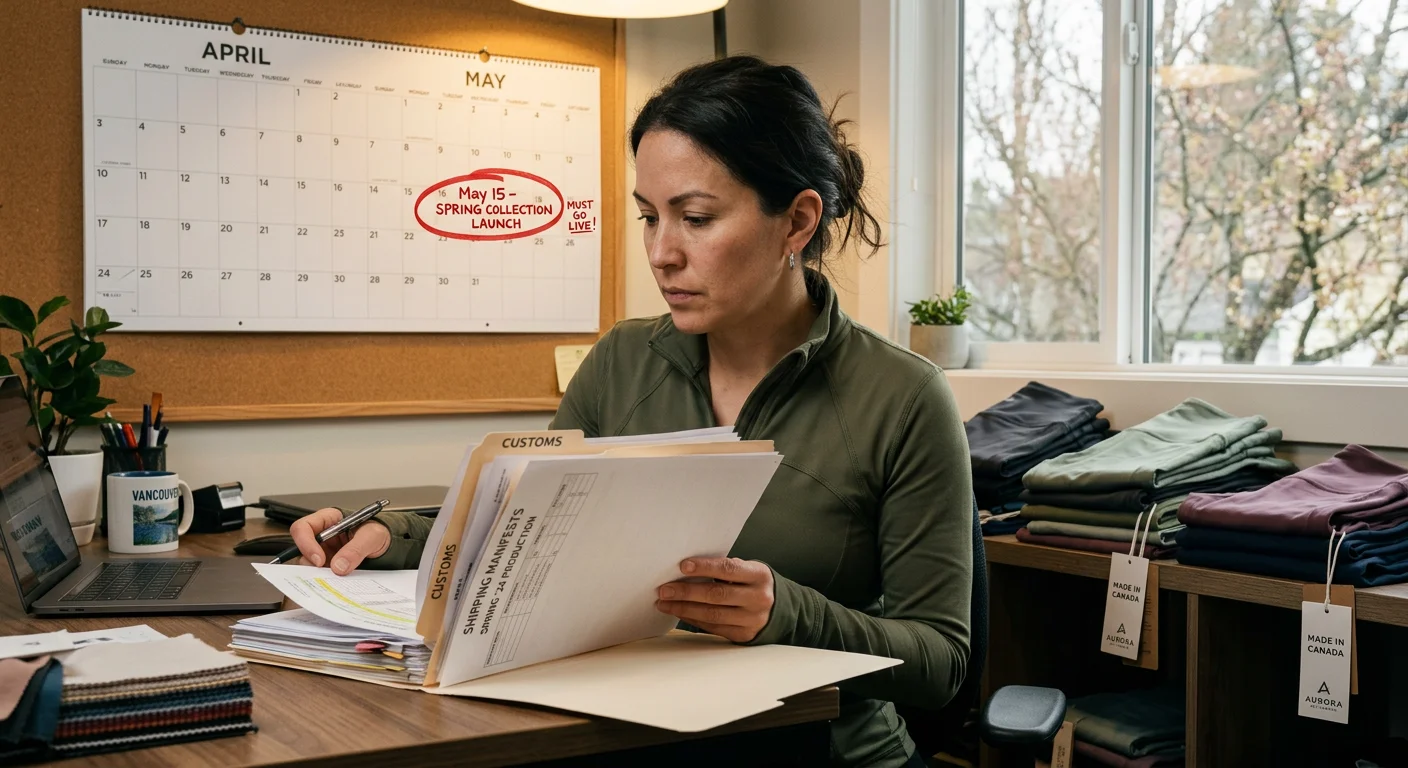
Your seasonal launch window doesn't care about your yoga clothing supplier's production backlog. Miss a spring drop by three weeks and it's not slower sales — it's no sales.
France vs. Canada sourcing comes down to hard numbers. Here's the full timeline breakdown, phase by phase, from tech pack to your distribution center door.
Complete Lead Time Comparison: France vs. Canada
Phase | France → Canada (Sea) | France → Canada (Air) | Canada Domestic |
|---|---|---|---|
Tech pack & 1st prototype | 2–4 weeks | 2–4 weeks | 2–4 weeks |
Revisions & pre-production sample | 2–4 weeks | 2–4 weeks | 2–4 weeks |
Bulk cut & sew (500–1,000 pcs) | 4–8 weeks | 4–8 weeks | 3–6 weeks |
Transit & customs clearance | 10–14 days ocean + 3–7 days clearance | 1–3 days flight + 2–4 days clearance | 1–7 days truck |
Total: First PO (new style) | 10–16+ weeks | 8–12 weeks | 6–12 weeks |
Total: Repeat orders | 7–12 weeks | 5–9 weeks | 4–8 weeks |
Where Each Option Really Wins
Canada domestic is fastest — but not by as much as you'd expect on first orders. The overlap between a domestic 6–12 week window and France-by-air's 8–12 week window is real. The gap only opens up on repeat orders. Domestic production compresses to 4–8 weeks versus 5–9 weeks via air from France. That's where domestic pulls ahead.
Ocean freight is the single biggest time killer for French production. The math is straightforward. Add 10–14 days at sea to 3–7 days of customs clearance. That's 3–4 weeks of dead time while your launch calendar counts down.
Air freight closes most of that gap — but it costs CA$3–$5 per unit more. On a 1,000-unit reorder, you're paying CA$3,000–$5,000 to recover 2–3 weeks.
The Repeat Order Advantage Nobody Talks About
First-order timelines can fool you. They look long, and they are. But once you approve a tech pack, lock specs, and qualify your fabric, repeat cycles get shorter across all three options. You skip tech-pack development. Sampling rounds are shorter. Pre-approved materials are ready to go. All of that adds up fast.
So build a two-week safety buffer into every timeline. Port congestion, customs holds, and fabric availability gaps are not rare events. They happen every quarter.
The planning rule:
French sea freight — use it for seasonal programs. It works where a 10–16 week window is acceptable.
French air freight — use it for launch urgency and replenishment recovery. You pay more, but you gain time.
Canadian domestic — your best move for micro-drops, trend-reactive releases, and sub-500-unit reorders. Speed to shelf drives sell-through here, and domestic gives you that edge.
MOQ Thresholds, Fabric Flexibility & Quality Control Trade-Offs
Minimum order quantities kill more promising activewear brands than bad design ever will.
Not because founders don't understand MOQs — they do. The problem is that most sourcing guides give you a single number and call it done. Your MOQ floor shifts based on your factory type, your fabric spec, your seam construction, and which country you're sourcing from. France and Canada run on different logic here. That logic has direct consequences for your cash exposure and your brand's ability to move fast.
Here's how the numbers break down.
MOQ Reality: What Each Setup Requires
Neither France nor Canada has one universal MOQ. Both markets tier their minimums by factory size and technical complexity:
French / EU Atelier Structure:
- 50–100 pcs/color — boutique ateliers, premium capsule runs, pilot batches
- 300–500 pcs/color — standard production sweet spot where unit economics start improving
- 300–1,000 pcs/style — technical sportswear with flatlock stitching, bonded seams, or multi-panel construction
Canadian Domestic Cut-and-Sew:
- 100–300 pcs/color — boutique plants with activewear focus
- 500+ pcs — where mid-size Canadian factories hit their efficiency stride
One variable that catches brands off guard: specialty fabrics push MOQs up, not down. Bamboo-blend or recycled polyester fabrics carry 2–3× the MOQ of standard performance knits. So if your brand story depends on sustainable materials, plan your minimum orders around that — and book materials earlier than you think you need to.
The most reliable lever for lowering any factory's MOQ floor? Agree to a 10–15% higher unit price . Most factories will shift their minimum once a buyer signals long-term commitment through pricing flexibility.
Fabric Flexibility: Where France Leads and Canada Catches Up
This is where the two sourcing routes split most clearly — and where your choice needs to be most deliberate.
France's structural advantage is its closeness to EU mills. Italian and Spanish performance fabric producers sit in the same supply chain as French ateliers. Your factory already has working relationships with mills producing premium 4-way stretch fabrics, consistent dye lots, and OEKO-TEX or GRS-certified materials for recycled content. For a made in Canada activewear brand building a European quality story, that connection matters.
The trade-off is lead time. Your spec calls for fabric that isn't sitting in the mill's stock inventory? Expect 4–6 weeks of fabric lead time before a single legging gets cut. That's 4–6 weeks before your production clock even starts.
Canada's advantage is sourcing flexibility, not sourcing depth. Domestic factories often blend Asia bulk fabric with EU premium selects or North American distributor stock — whichever gets to the floor fastest. That hybrid model compresses lead time when speed matters more than origin. The limitation: pre-certified eco-fabrics held in local stock are harder to find in Canada than in major EU sourcing hubs. Your sustainability specs are non-negotiable? Book those materials further ahead, no matter where your factory is.
The most effective fabric strategy for keeping MOQs manageable on both sides:
Use stock fabric wherever your design allows it
Standardize one base fabric across multiple SKUs — leggings, sports bras, shorts all built from the same knit
Consolidate colorways into a single purchase order instead of splitting by style
Reserve custom dyeing of yoga legging and specialty materials for hero pieces only, not your full range
Pattern-making alone adds $200–$500 in fixed costs before production starts. That cost is fixed regardless of country. Spread it across 50 units, and it hurts. Spread it across 500, and it disappears into your unit economics. That math holds in Montreal and Marseille alike.
Quality Control: The Time-Zone Advantage Canada Holds
French workmanship is strong. Artisanal finishing standards, tighter seam tolerances, and consistent attention to technical detail are real advantages — not marketing language. But there's a QC friction cost that never shows up in any factory quote.
Each sample correction cycle between a Canadian brand and a French atelier adds 3–5 days of courier time each way . One fit revision round = up to 10 days gone. Two rounds = 20 days. A new style needing three rounds of pre-production alignment? You're looking at a full month of lead time eaten by shipping samples back and forth — before bulk cutting even begins.
Canada closes that gap fast. Same or adjacent time zones mean real-time calls during production, faster approval loops, and the ability to do an in-person factory visit without a transatlantic flight. For early-stage brands building out their yoga apparel sourcing strategy , that direct access changes how fast you can catch and fix problems. A QC issue caught during production is a conversation. The same issue caught at your warehouse door is a crisis.
Brand-Stage Decision Framework
Brand Stage | Order Volume | Recommended Route | Rationale |
|---|---|---|---|
Startup / Pilot | Under 500 pcs | Canada domestic (100–300 pcs MOQ) | Lower friction, direct QC oversight, faster sampling |
Growth | 500–5,000 pcs | Either route viable; France if brand narrative warrants it | Cost gap narrows; CETA qualification worth the effort |
Scale | 5,000+ pcs | France / EU OEM | Volume justifies fabric investment, premium specs, and compliance overhead |
Choose French / EU OEM when:
- Your brand positioning depends on European fabric origin or sustainability certification
- You can absorb 4–6 week fabric lead times without disrupting your launch calendar
- Your order volume supports the compliance work CETA requires
Choose Canadian domestic when:
- You need direct QC oversight and fast rework cycles
- Your launch timeline has no buffer for cross-Atlantic correction loops
- You're in the early stages and want to validate fit and demand before committing to larger runs
The brands that get this wrong aren't choosing the wrong country. They're choosing the right country for the wrong stage of their growth.
Stage-Based Sourcing Strategy for Canadian Activewear Brands
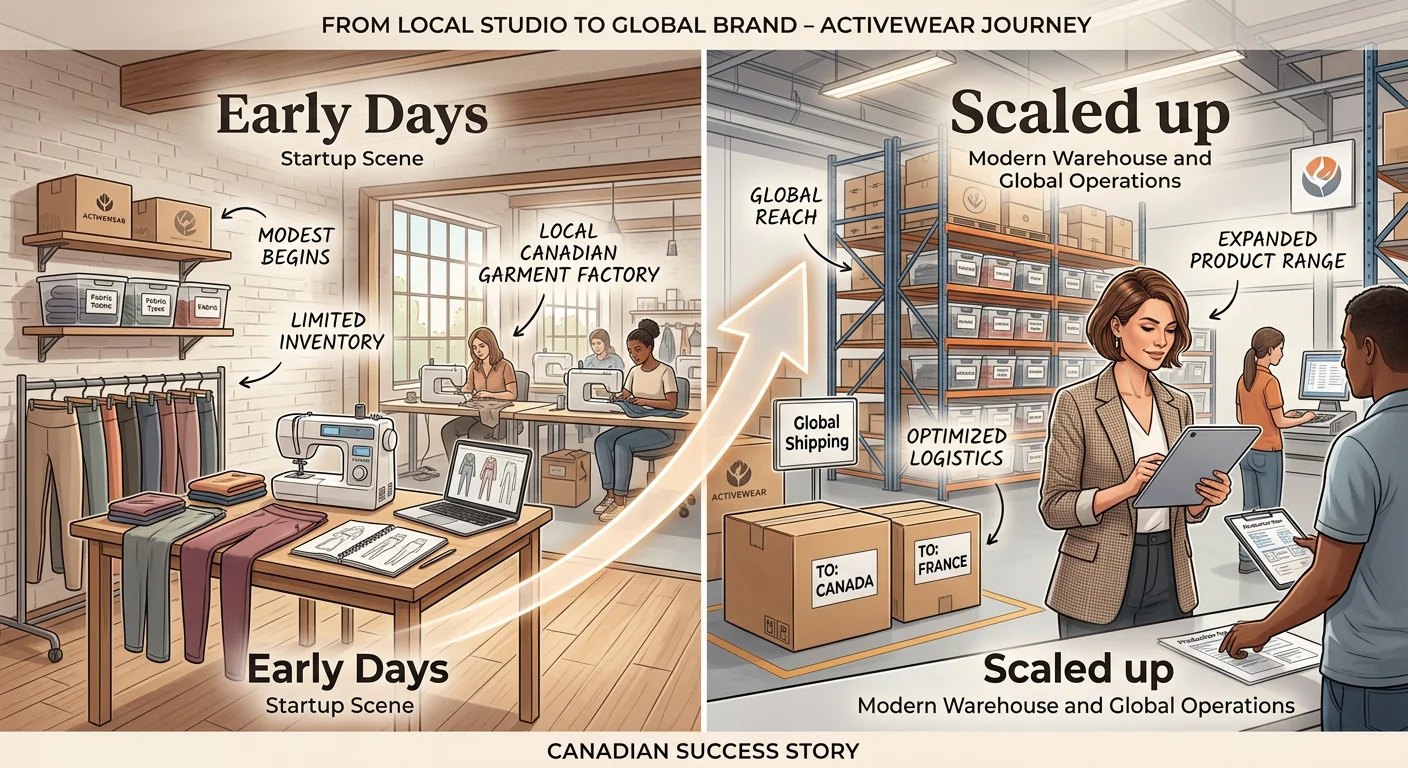
What works at 200 units will hurt you at 2,000. And what wins at 2,000 units looks nothing like what you need at 20,000.
Most Canadian activewear founders treat France vs. Canada as a single, fixed choice. It isn't. The right answer shifts as your volume grows, your margins tighten, and your supply chain matures. Here's the stage-by-stage playbook — built around real MOQ thresholds, cost targets, and lead time realities.
Stage 1 — Startup (Under 500 Units): Validate Before You Commit
At this stage, your biggest risk isn't cost. It's inventory. You don't yet know which colorways sell, which fits your customers love, or whether your retail price point holds under real market pressure.
Your sourcing priority: design validation with minimum cash exposure.
Canadian boutique cut-and-sew shops in Toronto, Montreal, and Vancouver are your natural home base here. Some accept as few as 30 pieces for CMT runs, with typical MOQs sitting at 50–300 pcs per style. At 100 units, your landed legging — fabric, CMT, trims, domestic freight — hits CA$22–30/unit . That's inside your target window for a test run.
A practical cost breakdown at 100 pcs:
Fabric (220–240 gsm performance knit, ~1.3m/pc at CA$8–10/m): CA$10–14
CMT (cut, sew, QC): CA$10–13
Trims + packaging : CA$1–1.50
Domestic freight + overhead : CA$1–1.50
Total landed : CA$22–30/unit
French ateliers can work at this stage — but stick to hero styles where European fabric origin is central to your brand story. Expect 50–100 pc minimums at a 15–20% surcharge, plus CA$3–5/unit in air freight. Reserve that budget for your one or two brand-defining pieces. Use Canada for everything you're still testing.
Lead time discipline at startup: Canadian facilities deliver in 3–6 weeks after pattern approval. Use that speed to stay responsive. Don't lock into a 10-week French timeline while you're still testing demand.
Stage 2 — Growth (500–5,000 Units): Lock In Margins and Seasonal Rhythm
Once you've confirmed fit and demand, the game shifts. Now you're optimizing for predictable lead times and unit economics — not minimum risk.
Canadian mid-size factories hit their stride at this volume. At the 300–500 pcs/color threshold, price breaks kick in, ex-works costs drop to CA$16–22/unit , and production slots become plannable. Montreal and Toronto plants typically quote 30–45 days for 500–2,000 pcs on repeat styles with locked patterns.
This is also where a French dual-track becomes worth a serious look.
A hybrid model that works well at this stage: French mill fabric + Canadian sewing .
French knit mill fabric: €9–11/m (~CA$13–16)
Ocean freight to Canada (LCL): CA$0.50–0.80/m
Canadian CMT at 1,000–2,000 pcs: CA$8–10/unit
Trims + packaging: CA$1–1.50
Duty: CA$0 with CETA origin confirmed
Landed target: CA$26–29/unit — achievable above 1,000 pcs
This hybrid structure lets you claim European fabric quality while keeping your QC loop tight and local. You also stay eligible for CETA's 0% tariff, as long as the transformation criteria are met.
Seasonal calendar structure at this stage:
Milestone | Weeks Before Launch |
|---|---|
Design + sampling | T-20 to T-16 |
Fit + pre-production samples | T-16 to T-12 |
Bulk PO to Canadian plant | T-12 to T-8 |
Production window | T-8 to T-4 |
Inbound to DC + QA | T-4 to T-2 |
Use Canadian domestic for your core black and navy replenishment SKUs. Save French and EU partners for seasonal color stories where consistent handfeel and dye-lot precision justify the longer timeline.
Stage 3 — Scale (5,000+ Units): Dual-Source or Lose Margin
At scale, the France vs. Canada cost gap shrinks. At 5,000–10,000 pcs, Canadian factories hit CA$16–18/unit ex-works with direct mill fabric contracts. French and Portuguese facilities land at €11–13/unit (~CA$16–19). That's under a 5% spread on ex-works cost. So logistics and duty structure become your decisive variables — not labor rates.
The strategy that wins here is a deliberate dual-source model:
Canadian domestic — core SKUs and fast replenishment
- Evergreen styles: black, charcoal, top-selling sizes
- Replenishment cycle: 4–6 weeks
- Annual volume commitment with call-offs every quarter (e.g., 30,000–50,000 units/year)
- Tiered pricing: ~CA$18 at 5,000 pcs; CA$16–17 at 10,000+ pcs per style group
- OTIF target: ≥95%; max repeat lead time: 30–45 days
French / EU — premium drops and limited editions
- ECONYL®, bio-based polyamides, exclusive colorways, collaboration pieces
- 500–2,000 pcs per color within a 5,000+ annual framework agreement
- Ocean freight for main shipments (30–35 day transit); air reserved for ≤10% of volume
- CETA duty-free entry keeps your landed cost delta small against domestic production
- A 10–20% premium SRP uplift on these drops covers the higher ex-works cost
Recommended supplier mix at scale:
- 60–70% volume with your primary Canadian yoga apparel supplier
- 20–30% with a secondary EU/French yoga wear supplier
- 10–20% with innovation partners for new fabrics and silhouettes
Brands that build this dual-source setup at 5,000+ units don't just protect margin. They build a product structure where Canadian speed powers the core business and French origin justifies the premium tier. That's not just a sourcing strategy. That's a brand strategy — built directly into your supply chain.
Conclusion
The numbers don't lie — and now you have them.
French manufacturing brings premium fabric access and CETA-driven tariff savings. Made in Canada activewear production gives you speed and control. Which one wins? That depends on where your brand stands right now.
Under 500 units? Keep it local. Protect your cash flow. Shorten your feedback loop. Don't risk lead time on a transatlantic shipment during your first seasonal launch.
Past 500 pieces with a proven SKU? French OEM yoga apparel economics start working in your favor. You get lower per-unit costs, better fabrication quality, and CETA tariff savings that most competitors haven't figured out yet.
The brands that win in yoga apparel sourcing strategy aren't chasing the cheapest factory. They're matching the right production model to the right growth stage — and that's a very different game.
Pull out the cost breakdown tables. Run your own numbers. Then make the call with confidence — not guesswork.